Transform Your Hectic Evenings with Simple and Delicious One-Pot Meals
Unveil the Benefits of One-Pot Meals for Stress-Free Cooking
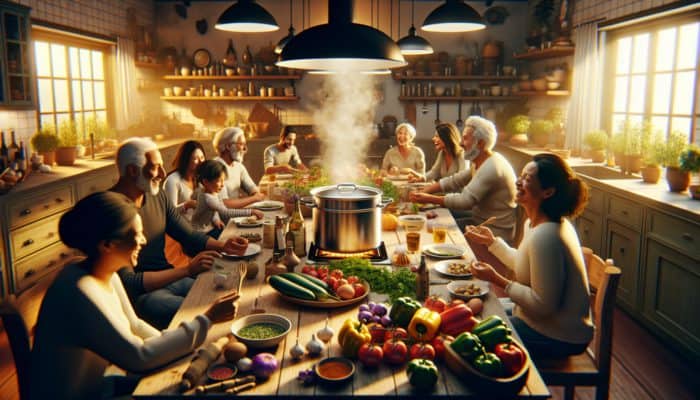
One-pot meals serve as an exceptional solution for the chaotic weeknights when time feels like a luxury you simply can’t afford. By utilizing a single pot to combine all your ingredients, you drastically minimize both the cooking time and the subsequent cleanup effort. This efficiency allows you to focus on what truly matters—savoring your delectable meal and creating unforgettable memories with your loved ones. Moreover, these meals exhibit remarkable versatility, enabling you to incorporate seasonal produce or pantry staples, culminating in delightful and nourishing culinary masterpieces that are both satisfying and healthful.
The magic of one-pot meals lies in their ability to cultivate a depth of flavor, as all ingredients harmoniously blend during the cooking process. This delightful amalgamation results in a rich and tantalizing taste experience that is sure to please any palate. Here are several compelling reasons to embrace one-pot meals for your evening dining:
- Time-efficient: Streamlining both preparation and cleanup allows you to spend less time in the kitchen.
- Highly adaptable: Easily modify recipes to suit dietary preferences or available ingredients.
- Waste reduction: Effectively manage leftovers and surplus produce, promoting eco-friendly cooking.
- Deliciously blended flavors: Ingredients merge beautifully, enhancing the overall taste profile of your dish.
- Balanced nutrition: Combine various food groups into a single, wholesome dish.
- Minimal cookware: Decreases the number of dishes to clean after enjoying your meal.
The straightforwardness and practicality of one-pot meals make them an ideal choice for anyone aiming to simplify their cooking routine without sacrificing flavor or nutrition. You’ll find that these dishes not only save time but also elevate your cooking experience, making each meal an opportunity to bond with those you cherish.
Key Considerations for Selecting the Perfect One-Pot Recipe
When exploring one-pot recipes, it’s essential to consider your unique dietary needs, the cooking time available, and the ingredients you currently have in your kitchen. A successful one-pot meal should tantalize your taste buds while aligning with your lifestyle. Seek out recipes that are easily adjustable—whether that means swapping proteins, adding seasonal vegetables, or incorporating pantry staples that you already possess. This flexibility allows you to create meals that are enjoyable and tailored to your preferences.
For culinary enthusiasts eager to explore, think about your favorite one-pot dishes. Perhaps you delight in a rich, creamy risotto from Italy, an aromatic curry infused with spices from India, or a hearty stew reminiscent of a cherished family recipe. Each of these meals boasts its unique charm, providing endless opportunities for substitution and enhancement. Keep the following tips in mind as you select your recipe:
- Flavour balance: Identify spices and herbs that effectively complement the main ingredients.
- Cooking duration: Confirm that the recipe comfortably fits within your available cooking time.
- Nutritional value: Strive for meals that incorporate proteins, grains, and a variety of colourful vegetables.
- Adaptability: Opt for recipes that can be easily adjusted in quantity, whether you need to double or halve the amounts.
The most rewarding one-pot recipes are those that reflect your personal tastes while remaining flexible enough to suit various occasions and preferences. By taking the time to carefully choose your recipes, you can ensure that your culinary experiences are both satisfying and enjoyable.
Essential Tips to Elevate Your One-Pot Cooking Skills
To master the art of one-pot cooking, pay meticulous attention to details, particularly seasoning, cooking times, and the layering of ingredients. Start by ensuring that you arrange your ingredients in the correct order; typically, this involves searing proteins first to develop a robust flavor, followed by hardier vegetables that require longer cooking times, and finishing with softer vegetables or herbs that need less time to cook. This strategic layering enhances the overall taste and texture of your dish.
Embrace experimentation during your culinary journey; try different combinations of proteins—such as chicken, beef, or legumes—and a variety of vegetables—like spinach, carrots, or bell peppers. Each combination presents a chance to uncover new favorite meals. For optimal results, consider these practical tips:
- Generous seasoning: Don’t shy away from using a variety of spices and herbs to create depth of flavor in your dishes.
- Monitor cooking times: Employ a timer to prevent overcooking and ensure everything turns out just right.
- Stir as necessary: Keep an eye on the dish to promote even cooking and avoid burning.
- Allow it to rest: Let the flavors meld together before serving for an enhanced tasting experience.
With practice and a sprinkle of creativity, you will soon master the art of crafting one-pot wonders that impress your family and friends alike, transforming mealtime into a celebration of flavors and togetherness.
Expert Strategies for Crafting Simple Weeknight Dinners with Ease

Understanding What Makes a Meal ‘Simple’ According to Culinary Experts
Culinary simplicity is often characterized by the use of minimal ingredients, quick cooking techniques, and straightforward preparation methods. Experts agree that a truly simple meal should be both nutritious and satisfying, without necessitating extensive culinary skills. Consider dishes that can be prepared in 30 minutes or less, utilizing readily available ingredients that do not require elaborate preparation. This approach allows you to enjoy delicious meals without the fuss.
For instance, think about a classic vegetable stir-fry, where fresh vegetables are swiftly sautéed in a delightful sauce, or a pasta dish that involves merely boiling the pasta and mixing it with a few essential ingredients. The focus should always be on wholesome nutrition; strive for meals that integrate proteins, healthy fats, and a variety of colourful vegetables to ensure a balanced diet that supports your overall well-being.
Examples of straightforward meals include:
- Quesadillas: Fill tortillas with cheese and any leftover protein or vegetables for a quick and satisfying meal.
- Omelettes: A fast and versatile way to utilize eggs along with any extra vegetables or cheese you have on hand.
- Chickpea salad: Combine canned chickpeas with chopped vegetables and a simple dressing for a nutritious and refreshing dish.
- Rice bowls: Layer cooked rice with protein and vegetables, topped with a flavourful sauce to enhance both taste and nutrition.
The key is to keep it uncomplicated, placing emphasis on the freshness of ingredients, allowing natural flavors to shine without the need for complex cooking techniques. With a focus on simplicity, you can create meals that are not only quick to prepare but also delightful to eat.
Effective Strategies for Increasing Vegetable Intake in Simple Meals
Incorporating more vegetables into your meals not only elevates their nutritional profile but also enhances flavor and texture, making your dinners more fulfilling and enjoyable. Experts recommend making use of seasonal produce, which is often more flavorful and cost-effective, along with selecting versatile vegetables that can be prepared in various ways, such as roasting, steaming, or stir-frying. This adaptability ensures you can enjoy diverse flavors while boosting your nutrient intake.
Adding vegetables can be as straightforward as tossing in some fresh spinach to a pasta dish or including diced bell peppers in a stir-fry. Here are effective strategies for augmenting vegetable intake in your meals:
- Start with a base: Use grains or legumes as a foundation and load them with a variety of vegetables for added nutrition.
- Blend into sauces: Puree vegetables for sauces to boost nutrition without significantly altering the flavor profile.
- Snack on veggies: Keep pre-cut vegetables readily available for convenient snacking or easy incorporation into meals.
- Try vegetable swaps: Substitute some grains with spiralized zucchini or cauliflower rice for a low-carb alternative that still offers satisfaction.
By being creative and intentional about including vegetables, you can transform even the simplest meals into nutrient-dense, flavor-packed dishes that everyone will love and appreciate. This approach not only enhances your meals but also supports a healthier lifestyle.
Expert Recommendations for Efficient Meal Planning and Preparation
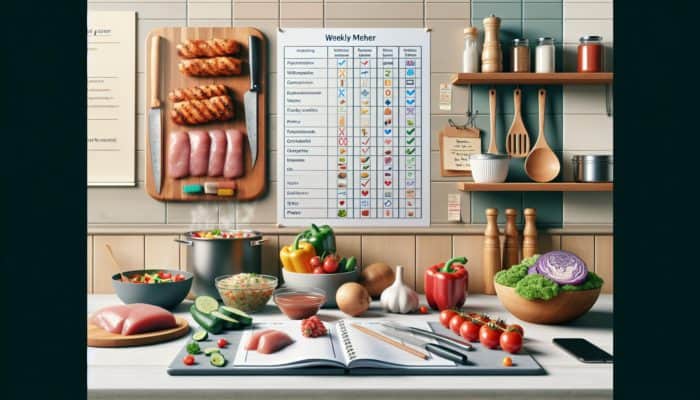
To simplify your weeknight dinners, establishing a consistent meal planning and preparation routine is essential. Experts suggest setting aside a specific time each week to plan your meals, which may involve selecting recipes, creating a shopping list, and prepping ingredients. This proactive approach alleviates the stress associated with daily cooking and empowers you to make informed decisions about your meals, ensuring you have everything you need on hand.
Commence by choosing meals that are straightforward to prepare and can be made in larger batches. Once you’ve finalized your recipes, compile a comprehensive shopping list to ensure you have all the necessary ingredients available. During your prep time, consider chopping vegetables, marinating proteins, or even fully cooking certain meals to be reheated later in the week for added convenience and ease of access.
Here are actionable steps for successful meal planning:
- Select a theme: Focus on a specific type of cuisine or particular ingredients to guide your weekly menu, simplifying your decision-making process.
- Prep ingredients: Wash, chop, and store vegetables in containers for quick access throughout the week, reducing prep time during busy nights.
- Cook in bulk: Prepare larger portions of meals that can be easily reheated for convenience during busy days, ensuring you have hearty options ready to go.
- Utilize freezer space: Store pre-prepped meals for those nights when cooking isn’t feasible, ensuring you always have healthy options readily available at a moment’s notice.
With a robust meal planning strategy in place, weeknight dinners can become a stress-free affair, allowing you to savor delicious, homemade meals with ease. This simplification not only enhances your cooking experience but also fosters a sense of accomplishment and satisfaction at the dinner table.
Speedy and Nutritious Stir-Fry Recipes for Busy Nights
Essential Ingredients for Crafting the Perfect Stir-Fry
A successful stir-fry hinges on achieving a careful balance of protein, vegetables, and a flavorful sauce that ties everything together seamlessly. Essential ingredients typically include soy sauce, ginger, garlic, and a vibrant array of vegetables that not only provide essential nutrition but also enhance the dish’s appealing texture and visual allure. This balance is crucial for creating a dish that is both satisfying and nutritious.
When crafting your stir-fry, consider proteins such as chicken, beef, tofu, or shrimp, which cook quickly and absorb the sauce’s flavors effectively. For vegetables, opt for a colorful mix that may include bell peppers, broccoli, snap peas, and carrots. This combination not only looks enticing but also ensures a diverse range of nutrients in your meal, contributing to a balanced diet that supports overall health.
To customize your stir-fry, consider the following ingredient options:
- Proteins: Chicken, beef, pork, shrimp, or tofu as your primary protein source, each offering unique flavors and textures.
- Vegetables: Broccoli, bok choy, bell peppers, carrots, and snap peas for a vibrant, nutritious mix that enhances the dish’s appeal.
- Stir-fry sauces: Soy sauce, teriyaki sauce, or homemade sauces featuring garlic and ginger for added flavor and depth.
- Garnishes: Sesame seeds, chopped green onions, or coriander to enhance flavor and presentation, making the dish visually appealing.
With the right blend of ingredients, stir-frying becomes an efficient and nutritious option for your weeknight dinners, granting you the flexibility to experiment with various flavor profiles and culinary styles. This adaptability allows for creativity in the kitchen while ensuring delicious results every time.
Techniques for Achieving the Ideal Texture in Your Stir-Fry
Achieving the perfect texture in a stir-fry requires meticulous attention to cooking techniques and timing. High heat, rapid cooking, and continuous stirring are crucial to ensure that vegetables remain crisp while proteins cook evenly. Utilizing a wok or a large skillet is the most effective method, as these surfaces facilitate maximum heat distribution and provide ample space for tossing ingredients, promoting even cooking and texture.
Begin by preheating your wok or skillet until it is hot, then add a small quantity of oil. Introduce your proteins first, allowing them to sear, then add in the vegetables. Cutting your ingredients uniformly guarantees even cooking, and maintaining a vigorous stirring motion helps prevent burning while achieving that perfect stir-fry texture that everyone loves.
Here are some tips for achieving that sought-after stir-fry texture:
- Chop ingredients uniformly: This ensures everything cooks at the same rate, achieving the desired texture and preventing overcooking.
- Avoid overcrowding: Cook in batches if necessary to maintain high heat and crispiness in your ingredients, enhancing the overall quality of the dish.
- Use high smoke point oil: Oils like canola or peanut oil are best for high-heat cooking, as they won’t burn easily and will help achieve that desired sear.
- Finish with a quick toss: This helps to combine all ingredients for even distribution of sauce and flavor, enhancing the overall experience and satisfaction of your meal.
By following these techniques, you will consistently create stir-fries that are not only visually appealing but also satisfyingly crunchy and tender, resulting in a delightful dining experience that is both nutritious and enjoyable.
Time-Saving Techniques to Enhance Your Stir-Frying Efficiency
When time constraints are a concern, stir-frying stands out as an efficient cooking method that can be executed swiftly with the right preparation. To save time, consider these techniques that streamline your cooking process while still delivering delightful results.
One effective strategy is to prepare your ingredients ahead of time. Chopping vegetables and marinating proteins can be accomplished in advance, saving valuable minutes during the busy week. Additionally, using pre-cut vegetables from the grocery store can significantly reduce prep time and help you get dinner on the table faster without compromising on nutrition or flavor.
Batch cooking also serves as a valuable time-saving approach. Prepare larger portions of proteins or grains to utilize throughout the week in various stir-fry combinations. This not only saves time but also minimizes food waste by optimizing your ingredients, allowing you to make the most out of your grocery shopping.
Here are some practical time-saving techniques for your stir-fry meals:
- Prep ahead: Cut vegetables and marinate proteins in advance for quick cooking during the week, making meal prep a breeze.
- Use frozen options: Keep frozen vegetables on hand to eliminate the need for washing and chopping fresh ingredients, adding convenience to your cooking routine.
- Cook in bulk: Prepare larger quantities of grains or proteins for use in multiple meals throughout the week, streamlining your cooking process.
- One-pan cooking: Choose recipes that can be cooked in one pan for simpler cleanup and less hassle, allowing you to enjoy your meals faster.
These strategies enable a swift turnaround in the kitchen, allowing you to enjoy healthy and delicious stir-fry meals without the stress of extensive preparation or cleanup. This efficiency ensures that you can focus on what truly matters—enjoying your time with family and friends around the dinner table.
Creating Healthy Stir-Fry Adaptations for Diverse Diets
Crafting stir-fry meals that cater to diverse dietary needs is entirely feasible with a few thoughtful substitutions. Vegan, gluten-free, and low-carb variations allow you to enjoy the deliciousness of stir-fried dishes while adhering to specific nutritional requirements. This inclusivity makes stir-fry a versatile option for family dinners.
For vegan stir-fries, tofu or tempeh can serve as excellent sources of protein. Incorporate a variety of colorful vegetables and consider using coconut aminos instead of soy sauce to maintain a gluten-free option. For those following a low-carb diet, spiralized zucchini or cauliflower rice can replace traditional noodles or rice, providing a nutritious and satisfying meal alternative that still feels indulgent.
Here are some healthy stir-fry variations to inspire your culinary creativity:
- Vegan: Utilize tofu and a variety of veggies with a soy-free sauce for a delicious, plant-based option that pleases everyone.
- Gluten-free: Substitute soy sauce with tamari or coconut aminos to meet dietary needs without sacrificing flavor and satisfaction.
- Low-carb: Replace grains with spiralized vegetables or cauliflower rice for a healthier choice that still satisfies cravings.
- Protein-rich: Add chickpeas or lentils for a plant-based protein boost to your stir-fry, enhancing both nutrition and flavor.
By adapting your stir-fry recipes for different diets, you ensure that healthy, satisfying meals are accessible to everyone, making weeknight dinners enjoyable and inclusive for all family members and guests. This approach not only emphasizes health but also encourages everyone to explore new flavors and ingredients together.
Exploring the Key Benefits of Meal Prep for Your Weeknight Dinners
Streamlining Your Cooking Process to Save Time and Reduce Stress
Meal prepping is a transformative practice that can significantly reduce cooking time during busy weeknights, alleviating the stress associated with daily meal decisions. When meals are prepped in advance, the cooking process becomes streamlined, making it easy to indulge in healthy dinners without the last-minute rush and chaos that often accompanies weeknight cooking.
By dedicating a few hours once a week to plan and prepare meals, you not only save valuable time but also foster a sense of organization in your kitchen. Prepped meals can be reheated quickly or assembled with minimal effort, allowing for a more relaxed and enjoyable dining experience with loved ones. This planning helps eliminate the common pitfalls of last-minute meal preparation, such as unhealthy takeout options or overly complex recipes.
Consider these benefits of meal prepping:
- Increased efficiency: Spend less time cooking each night and more time enjoying your meals and connecting with family, fostering a positive mealtime atmosphere.
- Reduced decision fatigue: Simplifies meal choices throughout the week, making your evenings more enjoyable and less stressful, allowing for spontaneous family time.
- Promotes healthy eating: Reduces the temptation to resort to fast food or takeout options that may be less nutritious, ensuring that you stay on track with your health goals.
- Encourages consistency: Helps maintain a balanced diet by planning nutritious meals in advance, supporting your health goals and making healthy eating a habit.
With meal prep, weeknight dinners can transform from a hectic chore into a delightful experience, fostering healthier eating habits and creating a more enjoyable atmosphere at the dinner table. This shift not only benefits your physical health but also your mental well-being as you enjoy the process of cooking and sharing meals.
Ensuring Nutritional Balance in Your Diet Through Meal Prep
Meal prepping empowers you to take control of your nutrition by ensuring a balanced intake of essential nutrients throughout the week. When you plan and prepare your meals in advance, you can focus on incorporating a variety of food groups, guaranteeing that each meal is both healthy and satisfying. This balance plays a crucial role in maintaining overall health and energy levels.
By dedicating time to consider the macronutrients—proteins, fats, and carbohydrates—you create meals that support your dietary goals without sacrificing taste or variety. This proactive approach helps avoid the pitfalls of last-minute meals that are often higher in calories and lower in nutritional value, leading to better overall health and well-being.
Here are key advantages of meal prepping for maintaining nutritional balance:
- Diverse options: Incorporate a range of food groups, including whole grains, proteins, and vegetables, to create a well-rounded diet that supports your health.
- Portion control: Aids in managing serving sizes, contributing to effective weight management and healthy eating habits, ensuring you don’t overeat.
- Encourages mindful eating: Promotes greater awareness of what you’re consuming and why, fostering healthier choices and a more positive relationship with food.
- Helps reduce cravings: Satisfies hunger with healthy, balanced meals that nourish your body and keep you feeling full and energized throughout the day.
Meal prepping ensures that you have nutritious options readily available, supporting your health goals and making it easier to maintain a balanced diet throughout the week. This proactive approach not only simplifies your cooking but also enhances your overall well-being.
Steps to Kickstart Your Meal Prepping Journey
Embarking on your meal-prepping journey requires a bit of planning and organization, but the rewards are well worth the investment. Start by selecting simple, well-balanced recipes that can be prepared in bulk and stored for later use. Gradually build your routine as you become more comfortable with the process, allowing for adjustments based on your lifestyle and preferences.
Begin by dedicating a specific day of the week, such as Sunday, for meal planning and preparation. Choose recipes that share common ingredients to simplify your shopping list and minimize waste. Once you’ve finalized your recipes, allocate time on your designated day to prepare meals, chopping vegetables, marinating proteins, and cooking grains to ensure everything is ready for the week ahead.
Consider these steps to kickstart your meal prepping:
- Plan your meals: Create a weekly menu that offers variety and balance, ensuring you enjoy a diverse range of flavors and nutrients.
- Make a shopping list: Gather all necessary ingredients to streamline your grocery shopping and reduce impulse purchases, saving both time and money.
- Prep efficiently: Organize your kitchen and tools to enhance your workflow and make the process smoother, allowing for a more enjoyable cooking experience.
- Store wisely: Use appropriate containers to keep prepped meals fresh and ready for consumption throughout the week, ensuring you have healthy options at your fingertips.
Starting small and gradually expanding your meal prep repertoire will allow you to create a sustainable practice that seamlessly integrates into your lifestyle, making healthy eating not just achievable but enjoyable. This gradual approach fosters success and confidence, helping you to embrace meal prepping as a valuable tool in your culinary toolkit.
Proven Strategies for Crafting Simple Meals for Weeknight Dinners
Innovative Ways to Repurpose Leftovers and Minimize Waste
Leftovers can be a culinary treasure trove, offering numerous opportunities to create exciting new meals while reducing waste. By thinking outside the box, you can repurpose last night’s dinner into a fresh and delicious dish, saving time and effort in the process. This creativity not only enhances your cooking skills but also contributes to a more sustainable kitchen.
Consider using leftover proteins, grains, or vegetables as the foundation for new meals. For instance, roasted chicken can be transformed into a hearty soup, or grilled vegetables can be tossed into a vibrant salad. By combining various leftovers with fresh ingredients, you can maintain variety in your meals and keep your palate engaged and satisfied. This approach encourages creativity and resourcefulness in your cooking.
Here are some innovative strategies for creatively utilizing leftovers:
- Transform into soups: Add broth to cooked leftovers for a quick and hearty meal that warms the soul and provides comfort on busy nights.
- Make sandwiches or wraps: Use leftover meats and veggies to prepare satisfying lunches that are both delicious and convenient, perfect for on-the-go meals.
- Frittatas or casseroles: Incorporate leftovers into egg-based dishes for breakfast or brunch that everyone will love, offering a delightful twist on traditional meals.
- Grain bowls: Layer leftover grains, proteins, and vegetables with a dressing for a nutritious and filling meal that is both easy to prepare and enjoyable to eat.
By repurposing leftovers, you not only save time and reduce waste but also infuse an element of creativity into your cooking, making weeknight dinners an enjoyable experience for everyone at the table. This practice promotes sustainability while also enhancing your culinary repertoire.
Strategies for Keeping Your Meals Interesting and Varied
Maintaining excitement in your meals can be a delightful challenge, particularly during busy weeks. A diverse range of flavors, textures, and cuisines can keep your meals fresh and engaging. The key is to rotate your meal choices and experiment with different spices and herbs to continually surprise your palate and enhance your dining experience. This approach keeps you motivated and excited about cooking.
Incorporate various cooking techniques, such as roasting, grilling, or steaming, to add variety to your meals. Don’t hesitate to explore international cuisines; delving into dishes from around the globe can introduce new flavors and inspiration into your cooking repertoire, making mealtime an adventure that everyone can enjoy together.
Consider these strategies for keeping your meals interesting:
- Plan themed nights: Designate specific nights for different cuisines, such as Italian or Mexican, to keep things fresh and exciting for the whole family.
- Experiment with spices: Try new spice blends or sauces to elevate your dishes and keep them intriguing, encouraging everyone to expand their palates.
- Change cooking methods: Alternate between grilling, baking, and sautéing to introduce variety into your meal prep routine, preventing monotony.
- Mix and match: Combine elements from different recipes to create unique meals that surprise your taste buds and keep dinner exciting each night.
By embracing diversity in your cooking, you’ll not only enjoy your meals more but also enhance your culinary skills over time, making each dinner a delightful adventure to look forward to. This commitment to variety keeps your cooking journey enjoyable and fulfilling.
The Advantages of Batch Cooking for Multiple Meals
Batch cooking is a highly effective strategy for preparing large quantities of food that can be portioned out for multiple meals throughout the week. This method not only saves time but also ensures you always have healthy, home-cooked options available, thus reducing the temptation to opt for unhealthy takeout or processed foods. The convenience of batch cooking enhances your overall cooking experience.
Start by selecting recipes that are well-suited for batch cooking, such as soups, stews, or casseroles. Prepare these dishes in larger quantities, allowing you to divide them into portions that can be stored in the fridge or freezer for later use. This not only simplifies mealtimes but also promotes a healthier lifestyle, providing you with nourishing options that are ready when you need them.
Here are some essential tips for successful batch cooking:
- Choose versatile recipes: Dishes that can be easily reheated or adapted into new meals work best for batch cooking, providing flexibility in your meal planning.
- Invest in quality storage containers: Use airtight containers to maintain freshness and prevent spoilage, ensuring your meals taste great when you’re ready to enjoy them.
- Label and date: Keep track of what you have and when you prepared it to ensure optimal freshness and quality in your meals, making meal selection easier.
- Plan for variety: Prepare different dishes to avoid monotony throughout the week, keeping your meals exciting and enjoyable for everyone at the table.
Batch cooking empowers you to take control of your meals, ensuring you always have healthy options ready without the daily hassle of cooking from scratch. This strategy not only simplifies your culinary routine but also enhances your overall well-being.
Effortless One-Pot and Sheet-Pan Meals for Quick and Easy Cleanup
One-pot and sheet-pan meals greatly simplify both cooking and cleanup, making them perfect for busy weeknights. By limiting the number of dishes used, you can truly focus on the joy of cooking and eating rather than the burden of washing up after a satisfying meal. These meals often require minimal preparation and provide a fulfilling dining experience without the hassle of complicated cooking processes.
When preparing one-pot meals, everything cooks in a single pot or pan, allowing flavors to meld beautifully. Sheet-pan meals involve placing ingredients on a single baking sheet, requiring only one dish for cooking. This method is particularly effective for roasting a combination of proteins and vegetables simultaneously, resulting in a delightful meal with minimal effort and cleanup.
Consider these recipe ideas for easy cleanup:
- One-pot pasta: Cook pasta and sauce together in one pot for a delicious, hassle-free meal that comes together in minutes, perfect for busy nights.
- Sheet-pan fajitas: Roast sliced chicken, peppers, and onions on a single sheet for a flavor-packed dinner your family will love, ensuring everyone enjoys the meal.
- One-pot curry: Combine rice, protein, and vegetables in a single pot for a fragrant dish that delights the senses and nourishes the body, all in one easy step.
- Sheet-pan salmon: Pair salmon fillets with asparagus or potatoes on a single sheet for roasting, making cleanup a breeze and dinner a delight.
By embracing one-pot and sheet-pan meals, you can relish delicious, home-cooked dinners with minimal effort, allowing more time for what truly matters—gathering around the table with family and friends to share in the experience. This approach not only simplifies meal preparation but also enhances the joy of dining together.
Quick and Simple Pasta Dishes for a Fast Dinner
Choosing the Right Pasta for Your Recipe
Selecting the right pasta is critical for achieving a successful dish, as different pasta shapes pair better with specific sauces and ingredients. The texture and cooking time of various pasta types can significantly influence the overall experience of your meal, affecting both taste and satisfaction. Understanding these nuances allows you to create dishes that not only taste great but are visually appealing as well.
For instance, a hearty Bolognese sauce pairs beautifully with wide, flat pasta like pappardelle, while lighter sauces may work best with thin spaghetti or angel hair. Understanding the relationship between pasta shapes and sauces allows you to create dishes that are not only delicious but also visually appealing, enhancing the overall dining experience and enjoyment.
Here are some considerations for selecting the right pasta:
- Shape matters: Match pasta shapes to the sauce’s texture for optimal pairing and enjoyment, ensuring a cohesive dish.
- Cooking time: Consider how long the pasta will need to cook when planning your meal to ensure everything is perfectly timed.
- Fresh or dried: Fresh pasta cooks more quickly but may not always be convenient for busy weeknights; choose based on your schedule and needs.
- Whole grain or gluten-free: Choose based on dietary preferences and nutritional requirements to meet your health goals and preferences.
With the right pasta selection, you’ll lay the foundation for a delicious and satisfying meal that enhances your weeknight dinner experience, making it enjoyable for everyone at the table. This thoughtful selection process contributes to successful cooking and enjoyable dining.
Creating Quick and Easy Pasta Sauces for Busy Evenings
Creating simple pasta sauces can be accomplished with minimal ingredients and in a short amount of time. Classic sauces often require just a few key components, allowing for quick preparation that doesn’t compromise on taste or quality. This efficiency is ideal for busy weeknights when you need to get dinner on the table quickly.
For instance, a basic garlic and oil sauce can be prepared in under ten minutes, while a fresh tomato sauce requires only a handful of ingredients: ripe tomatoes, garlic, olive oil, and herbs. The beauty of these sauces lies in their adaptability; you can easily enhance them with seasonal vegetables, proteins, or additional herbs to elevate the dish and make it uniquely yours. This creativity allows for customization and exploration in your cooking.
Here are some quick and easy pasta sauce ideas:
- Garlic and olive oil: Sauté minced garlic in olive oil, toss with cooked pasta, and finish with fresh herbs for a delightful and aromatic dish that everyone will enjoy.
- Tomato sauce: Cook chopped tomatoes with garlic, onions, and basil for a fresh, vibrant sauce that bursts with flavor and nutrition, perfect for any pasta dish.
- Creamy sauce: Combine cream, cheese, and a touch of nutmeg for a rich and indulgent palate that satisfies cravings for comfort food, making it a family favorite.
- Pesto: Blend fresh basil, garlic, nuts, and olive oil for a vibrant topping that enhances any pasta dish with freshness and flavor, making it a delightful addition.
These quick sauce options make pasta a versatile and delightful choice for weeknight dinners, allowing you to create delicious meals in mere minutes, perfect for busy lifestyles. This versatility ensures that you can enjoy a variety of flavors without extensive preparation.
One-Pan Pasta Recipes to Simplify Dinner Prep
One-pan pasta recipes are a game changer for busy weeknights, combining pasta and sauce in a single pot or pan. This method not only reduces cleaning time but also allows flavors to meld beautifully as the pasta cooks in the sauce. The result is a cohesive and satisfying dish that can be customized with your favorite ingredients, making every meal an exciting culinary adventure.
To create a one-pan pasta dish, simply add pasta, water or broth, and your choice of sauce and ingredients into a single pot. As the pasta cooks, it absorbs the flavors of the sauce, resulting in a delicious, cohesive texture without extensive preparation or effort. This simplicity makes it an ideal choice for quick weeknight dinners.
Here are some one-pan pasta recipes to inspire your next weeknight dinner:
- One-pan garlic shrimp pasta: Combine shrimp, pasta, garlic, and broth for a quick, flavorful meal that’s sure to please everyone and deliver satisfaction.
- One-pot creamy mushroom pasta: Cook pasta with mushrooms, cream, and herbs for a hearty and satisfying dish that feels indulgent without the fuss.
- One-pan Mediterranean pasta: Toss in olives, tomatoes, and spinach for a fresh, vibrant meal bursting with flavor and nutrition, perfect for health-conscious diners.
- One-pot chili pasta: Mix pasta with ground beef or turkey, tomatoes, and spices for a filling and comforting dish that’s perfect for any night, offering warmth and satisfaction.
With the convenience of one-pan pasta recipes, weeknight dinners become not only easy but also deliciously rewarding, allowing you to enjoy quality meals without the fuss or stress of extensive cooking. This approach promotes enjoyment and relaxation around the dinner table.
Frequently Asked Questions About Quick and Easy Meals
What Are Some of the Easiest One-Pot Meals to Prepare?
Some of the easiest one-pot meals include stir-fries, risottos, and pasta dishes. These meals require minimal preparation and cooking time, making them perfect for busy weeknights when time is short and you need something swift yet satisfying. This ease of preparation makes them popular choices for families and individuals alike.
How Can I Enhance the Effectiveness of My Meal Prepping?
To maximize the effectiveness of meal prepping, select versatile recipes, plan a weekly menu, and dedicate time for thorough ingredient preparation. Storing meals in appropriate containers helps maintain freshness and quality, ensuring your meals are always ready to enjoy. This organization contributes to a smoother cooking experience throughout the week.
What Are Some Healthy Stir-Fry Options You Can Try?
Healthy stir-fry options include incorporating lean proteins like chicken or tofu, a variety of colorful vegetables, and using low-sodium sauces. Experimenting with different vegetables can further enhance nutrition and flavor, making your meals both satisfying and beneficial for your health. This adaptability ensures that everyone can enjoy a nutritious meal.
How Do I Keep My Pasta Dishes Interesting and Varied?
To keep pasta dishes intriguing, try varying sauces, incorporating seasonal vegetables, and experimenting with different pasta shapes. Adding fresh herbs or spices can also elevate flavor and keep meals exciting and enjoyable for everyone at the table. This creativity fosters a more fulfilling cooking experience.
Can I Batch Cook for Multiple Diets?
Absolutely! Batch cooking can accommodate various dietary preferences by preparing versatile base dishes, like grains or proteins, which can be seasoned and mixed in different ways to suit different dietary needs and preferences. This flexibility allows everyone to enjoy delicious meals that align with their health goals.
What Are the Best Storage Methods for Meal Prep?
The best storage methods include using airtight containers, vacuum-sealing meals, and labeling containers with dates. Properly storing meals in the fridge or freezer helps maintain freshness and quality over time, ensuring you have delicious meals ready to enjoy whenever you need them. This organization simplifies meal selection during busy weeks.
How Can I Include More Vegetables in My Meals?
You can include more vegetables by adding them to every meal, incorporating them into sauces, or substituting grains with vegetable-based alternatives. Fresh, seasonal produce is always a great choice for enhancing meals without complicating preparation, making healthy eating easier and more enjoyable.
What Are Some Quick Meal Planning Tips to Consider?
Quick meal planning tips include selecting recipes that share overlapping ingredients, creating a focused shopping list, and dedicating a specific day for meal prep. This streamlined approach helps enhance the cooking process and reduces stress throughout the week, allowing for a more organized kitchen experience.
How Can I Effectively Utilize Leftovers in My Cooking?
You can effectively utilize leftovers by transforming them into new meals, such as soups or wraps, or incorporating them into salads for added nutrition. This approach saves time and significantly reduces food waste, making your cooking more sustainable and resourceful.
What Are Some Simple Pasta Dishes Perfect for Busy Nights?
Simple pasta dishes include spaghetti aglio e olio, creamy mushroom pasta, or a classic marinara with sautéed vegetables. These dishes are quick to prepare and require minimal ingredients for a satisfying meal that everyone will enjoy, making them ideal for weeknight dinners.
Stay updated with our latest posts on Facebook!
The post Best Simple Meals for Weeknight Dinners: Quick and Easy Recipes appeared first on https://cookinggods.com
The Article Simple Meals for Quick and Easy Weeknight Dinners Was Found On https://limitsofstrategy.com
The Article Quick and Easy Weeknight Dinners: Simple Meal Ideas First Appeared ON
: https://ad4sc.com
Comments are closed