Enhance Your House Clearance Process with Effective Waste Sorting Techniques in the UK
Understanding the Comprehensive Process of Effective Waste Sorting
Effective waste sorting for house clearance is a crucial step that involves meticulously categorising waste materials into various types. This organized method not only facilitates the efficient disposal and recycling of waste but also complies with the rigorous UK regulations governing waste management. By adopting this systematic approach, households throughout the UK are empowered to improve their waste disposal efficiency significantly while actively supporting local recycling efforts. The primary waste categories recognised in the UK include:
- General waste
- recyclables (including plastic, metal, paper, and glass)
- Organic waste (such as food scraps and garden waste)
- Hazardous waste (like batteries and chemicals)
- Electrical waste (commonly referred to as e-waste)
- Bulky items (such as large furniture and appliances)
- Construction waste (including building materials)
Gaining a thorough understanding of these categories is imperative for households aiming to manage their waste effectively while making a positive contribution to environmental sustainability.
The Importance of Embracing Effective Waste Sorting Practices
Adopting effective waste sorting strategies brings a multitude of benefits, primarily by significantly decreasing the volume of waste that is sent to landfills while simultaneously boosting recycling rates. This practice aligns with the UK’s environmental strategy, playing an essential role in conserving valuable resources and lessening the detrimental impacts of waste on the ecosystem. The critical environmental benefits of effective waste sorting are as follows:
- Reduction in landfill usage
- Increased recycling rates
- Conservation of natural resources
- Decreased greenhouse gas emissions
- Improved soil and water protection
- Fostering a circular economy
- Enhancing community awareness and education regarding waste management
By integrating effective waste sorting practices, households across the UK can make significant strides towards building a sustainable future while reducing the environmental impact of waste generation.
Key UK Regulations Governing Responsible Waste Management Practices
The UK has established a comprehensive set of laws and regulations that govern waste management, ensuring that both environmental safety and compliance with established standards are upheld. These regulations delineate specific waste sorting and disposal methods that households are required to follow in order to minimise their ecological footprint. Notable UK waste management regulations include:
- Waste Management Licensing Regulations
- Environmental Protection Act 1990
- Waste Electrical and Electronic Equipment (WEEE) Regulations
- Controlled Waste Regulations
- Household Waste Recycling Act 2003
- Packaging Waste Regulations
- Landfill Tax Regulations
Grasping and adhering to these regulations is vital for residents aiming to practice responsible waste management and to align with the government’s overarching sustainability objectives.
Strategies for UK Homes to Successfully Implement Effective Waste Sorting

Proven Techniques to Enhance Waste Sorting in UK Households
In order to execute effective waste sorting in UK homes, households must employ strategic techniques that facilitate a seamless sorting process. Many families adopt methods that involve distinguishing recyclables from non-recyclables, often utilising colour-coded bins that follow guidelines provided by local councils. For instance, numerous councils implement a three-bin system: one for general waste, another for recyclables, and a third for organic waste. Some of the most effective waste sorting techniques for UK households include:
- Separating waste into specifically designated bins
- Utilising colour-coded bin systems for clearer identification
- Labeling bins to prevent contamination
- Regularly emptying bins to avoid overflow
- Educating all household members about sorting practices
- Using transparent bags for recyclables to enhance visibility
- Establishing a waste sorting station in a convenient location
By implementing these effective sorting techniques, households all over the UK can ensure their significant contributions to efficient waste management and actively support local recycling initiatives.
Best Practices for Effective Waste Sorting in the UK
Adhering to best practices for effective waste sorting in the UK is vital for achieving optimal results and increasing recycling rates. By adopting a systematic approach, households can greatly improve the efficiency of their waste management efforts. Key best practices include maintaining a consistent sorting schedule, using designated bins for different waste types, and complying with UK waste management protocols. Here are some actionable strategies for UK households to refine their waste sorting practices:
- Establishing a routine for waste collection and sorting
- Encouraging all family members to participate in sorting activities
- Positioning waste bins in easily accessible areas
- Utilising educational resources to inform household members
- Engaging in local community recycling programs
- Reviewing local council guidelines for updates on waste sorting
- Implementing composting for organic waste to lessen landfill contributions
By following these best practices, households in the UK can significantly enhance their waste sorting efforts and contribute to a more sustainable environment.
Essential Tools and Equipment for Effective Waste Sorting in UK Homes
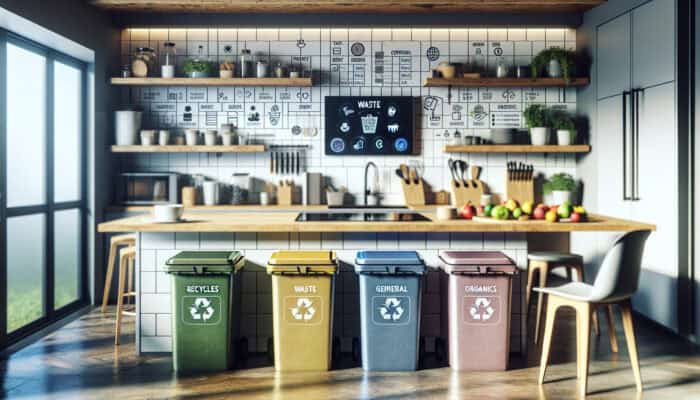
To facilitate effective waste sorting in UK homes, various tools and equipment can be utilized. These resources not only aid in the sorting process but also promote better waste management practices within the household. Essential tools for efficient waste sorting in UK homes include:
- Colour-coded bins designated for recyclables, general waste, and organics
- Compost bins for the disposal of organic waste
- recycling bags for the convenient transport of materials
- Shredders for processing paper and cardboard waste
- Labels for identifying distinct waste categories
- Smart bins that notify users when full or require disposal
- Waste sorting apps that provide real-time guidelines and tips
Incorporating these tools and equipment into daily routines can significantly improve the efficiency of waste sorting practices and strengthen local recycling initiatives.
Gain Insight into Effective Waste Sorting Strategies for House Clearance
Discover Successful Waste Sorting Initiatives Across the UK
Numerous success stories throughout the UK demonstrate how effective waste sorting has revolutionized waste management within various communities. For instance, in Bristol, the launch of a comprehensive recycling programme has resulted in a significant increase in recycling rates, enabling the city to meet its waste reduction goals. In another example, the London Borough of Camden initiated a borough-wide waste engagement campaign, educating residents about the importance of effective waste sorting. This campaign led to a remarkable 30% rise in participation rates in recycling initiatives. These real-world examples underscore the tangible benefits and positive outcomes associated with effective waste sorting in UK communities.
Actionable Steps for UK Residents to Implement Effective Waste Sorting
For UK residents eager to adopt effective waste sorting at home, taking actionable steps is essential. The process begins by establishing a dedicated sorting station that is easily accessible to all household members. Residents should designate specific bins for recyclables, non-recyclables, and organic waste, ensuring that everyone understands the purpose of each bin. Another crucial step is to educate family members on the significance of waste sorting and how their actions contribute to environmental sustainability. Additionally, participating in local community events or workshops focused on waste management can further enhance understanding and commitment to effective waste sorting practices.
Emerging Trends Shaping Waste Sorting Practices in the UK
As environmental awareness continues to rise in the UK, experts anticipate a significant increase in the adoption of effective waste sorting among households. A prominent trend is the growing emphasis on digital solutions, including apps that assist residents in adhering to sorting guidelines and managing waste collection schedules. Furthermore, local councils are increasingly collaborating with communities to provide education on waste sorting, highlighting the importance of resident involvement. Experts also identify a trend toward reducing single-use plastics, driven by heightened awareness about sustainability. As these trends develop, UK residents will likely experience a more organized and strategic approach to waste management.
The Role of Technology in Revolutionising Waste Sorting in the UK
Technology is rapidly transforming the waste sorting landscape in the UK, enhancing both efficiency and effectiveness in households. Smart bins equipped with sensors can monitor waste levels and notify users when they need to be emptied, reducing the risk of overflow and facilitating timely disposal. Additionally, waste sorting apps provide real-time guidelines and tips tailored to local council regulations, simplifying compliance for residents. The integration of technology into waste management not only streamlines the sorting process but also encourages increased community involvement and participation in recycling initiatives.
The Impact of Legislation on Waste Sorting Practices in the UK
Recent legislative changes in the UK are prompting significant shifts in waste sorting practices, encouraging households to adopt more sustainable waste management strategies. For example, the introduction of the Resources and Waste Strategy aims to promote a circular economy, influencing how residents perceive and manage their waste. Additionally, new regulations aimed at limiting single-use plastics and enhancing recycling rates are pushing local councils to improve their recycling services and provide more effective guidance for households. The influence of legislation is evident in the increasing awareness and commitment among UK residents to embrace effective waste sorting practices as an integral part of their daily lives.
Environmental Benefits of Advanced Waste Sorting in the UK
How Effective Waste Sorting Reduces Landfill Usage
Effective waste sorting plays a crucial role in dramatically decreasing the amount of waste directed to landfills in the UK. By categorising waste appropriately, households can ensure that recyclables are processed correctly, which leads to a reduction in the overall waste volume requiring disposal. This decrease not only conserves valuable land resources but also mitigates the environmental harm associated with landfill sites, including soil and water contamination. Through effective waste sorting, UK residents can actively contribute to fostering a cleaner and healthier environment by minimizing landfill usage and promoting sustainable waste management practices.
The Impact of Effective Waste Sorting on Recycling Rates
One of the most significant benefits of effective waste sorting is the substantial increase in recycling rates across the UK. By advocating for proper sorting practices, households can ensure that recyclable materials remain uncontaminated by non-recyclables, resulting in a higher percentage of materials being processed and reused. This enhancement in recycling rates facilitates resource conservation, as recycled materials can be reintegrated into the manufacturing process, thereby lessening the demand for virgin resources. The focus on effective waste sorting has motivated households to engage actively in recycling initiatives, leading to improved overall community participation in waste management.
Alignment of Effective Waste Sorting with the UK’s Sustainability Goals
Effective waste sorting is intrinsically connected to the UK’s sustainability objectives, fostering a circular economy that diminishes environmental impact and conserves resources. By practising efficient waste sorting, households contribute to minimising waste generation and promoting recycling, which aligns with governmental targets aimed at achieving net-zero carbon emissions by 2050. This practice not only aids in conserving natural resources but also elevates community awareness regarding responsible waste management, cultivating a culture of sustainability. Through effective waste sorting, UK residents can actively participate in a broader movement towards environmental stewardship and sustainability.
Challenges Faced by UK Residents in Implementing Effective Waste Sorting
The Impact of Awareness and Education Deficits on Waste Sorting
A significant hurdle that many UK residents face concerning effective waste sorting is the lack of awareness and education about its benefits and the appropriate methods involved. Many individuals find themselves uncertain about how to sort their waste correctly, leading to contamination and ineffective recycling processes. To improve waste sorting awareness in the UK, educational initiatives could be implemented, such as community workshops, informative campaigns, and engaging school programmes. By equipping residents with the necessary knowledge and resources to grasp the significance of waste sorting, communities can foster a culture of responsibility and environmental stewardship.
Addressing Space Constraints in UK Homes for Waste Sorting
Space limitations in UK homes can pose challenges when attempting to set up effective waste sorting systems. Many households, especially those in urban areas, struggle to find adequate locations for multiple bins or composting systems. To overcome these spatial challenges, UK residents might explore compact solutions such as stackable bins or integrated waste sorting systems that serve multiple purposes. Additionally, utilizing vertical space, such as shelves or wall-mounted bins, can optimize available areas for waste sorting. By innovating within their limited space, residents can develop efficient systems that support effective waste sorting practices.
The Confusion Caused by Inconsistent Local Council Guidelines on Waste Sorting
Inconsistencies in waste sorting guidelines among different UK councils can create confusion for residents and hinder proper waste management practices. The presence of varying rules and regulations regarding what can be recycled and how waste should be sorted often leaves individuals struggling to comply with local protocols. To standardise waste sorting guidelines, UK councils can collaborate and establish clearer communication strategies for residents. Providing accessible resources, such as online materials or community workshops, can ensure that residents are well-informed about proper waste sorting practices and encourage adherence to local guidelines.
Research-Backed Economic and Environmental Benefits of Effective Waste Sorting for House Clearance
Economic Advantages Realised by Households in the UK
Research indicates that effective waste sorting can yield considerable economic benefits for UK households, primarily through reduced waste disposal fees. By efficiently sorting waste and increasing the volume of recycled materials, households can decrease their overall waste output, which may lead to lower charges for waste collection services. Moreover, many local councils provide incentives for recycling initiatives, further enhancing the financial advantages for residents. Embracing effective waste sorting not only promotes environmental sustainability but also delivers tangible cost savings for households.
Enhancements in Health and Safety Through Waste Sorting Practices
Implementing effective waste sorting practices can significantly improve health and safety within UK homes. By accurately segregating hazardous waste, such as batteries and chemicals, residents can reduce the risk of exposure to harmful substances. Furthermore, minimising clutter through effective waste management creates safer living environments, decreasing the likelihood of accidents related to hazardous materials. Effective waste sorting promotes a cleaner and healthier home, thereby supporting the well-being of all household members.
Long-Term Environmental Impacts Associated with Effective Waste Sorting
Studies suggest that effective waste sorting has a substantial long-term positive impact on the environment in the UK. By reducing reliance on landfills and increasing recycling rates, effective waste sorting helps to diminish pollution and resource depletion over time. This sustainable practice supports the preservation of natural ecosystems, promoting biodiversity and environmental resilience. Emphasising effective waste sorting benefits not only current generations but also lays the foundation for a healthier planet for future generations.
Enhancing Recycling Efficiency through Effective Waste Sorting
Effective waste sorting optimises recycling rates by ensuring that materials are accurately separated and processed, leading to more efficient recycling operations in the UK. When recyclable materials are free from contamination, they can be processed more effectively, resulting in higher recovery rates and better-quality recycled products. This efficiency enhances the overall effectiveness of recycling programs, supporting the ongoing circular economy. By prioritising effective waste sorting, residents contribute to a more streamlined recycling process that ultimately benefits the environment.
Community and Social Benefits of Effective Waste Sorting
The implementation of effective waste sorting can foster community engagement and education on waste management, promoting social responsibility throughout the UK. Community-led initiatives, such as local recycling events or educational workshops, motivate residents to actively participate in waste sorting efforts. These initiatives not only raise awareness but also nurture a sense of camaraderie among residents, encouraging collaboration towards shared sustainability goals. The social benefits that arise from effective waste sorting contribute to building stronger, more resilient communities committed to responsible environmental practices.
Discover Strategies for Effective Waste Sorting in House Clearance
How Community-Based Initiatives Encourage Participation in Waste Sorting
Community-based initiatives play a crucial role in inspiring residents to engage in collective waste sorting efforts. Local councils can organise community clean-up days, recycling drives, or educational workshops that bring residents together to learn about best practices for waste management. Such initiatives not only promote awareness but also instil a sense of responsibility towards the environment. By participating in community-based waste sorting initiatives, UK residents can share valuable knowledge, resources, and experiences, ultimately leading to improved waste management practices across the community.
The Role of Technology in Enhancing Waste Sorting Efficiency
The integration of technology into waste sorting can dramatically streamline processes for UK households, enhancing both efficiency and engagement. Smart bins, for example, can monitor waste levels and alert users when they need to be emptied, thus minimising overflow and ensuring timely disposal. Additionally, waste sorting apps can offer tailored guidance on local recycling guidelines and provide reminders for waste collection days. By embracing technology in their waste sorting practices, UK residents can enhance their waste management efforts and foster a culture of sustainability within their households.
Collaborating with Local UK Waste Management Services to Improve Sorting Practices
Actively engaging with local waste management services can provide UK residents with valuable resources and guidance on effective waste sorting. Local councils frequently offer educational materials, workshops, and community initiatives designed to assist residents in their waste management efforts. By proactively seeking information and participating in local programs, households can stay informed about the latest recycling initiatives and best practices. This engagement benefits individual households and cultivates a community-wide commitment to responsible waste management.
Frequently Asked Questions About Effective Waste Sorting
What constitutes effective waste sorting?
Effective waste sorting refers to the process of categorising waste into distinct types for efficient disposal or recycling, in compliance with UK standards and regulations.
What benefits can be derived from effective waste sorting?
Benefits include reduced landfill usage, increased recycling rates, conservation of natural resources, and lowered greenhouse gas emissions.
What are the primary waste categories recognised in the UK?
Common waste categories include general waste, recyclables, organic waste, hazardous waste, electrical waste, bulky items, and construction waste.
How can households in the UK enhance their waste sorting practices?
Households can improve practices by establishing regular sorting schedules, using designated bins, and educating family members about effective waste management.
What essential tools are required for effective waste sorting in UK homes?
Essential tools include colour-coded bins, compost bins, recycling bags, shredders, and waste sorting apps.
How does effective waste sorting contribute to reduced landfill use?
By accurately categorising waste, households can ensure that recyclable materials are processed correctly, leading to a decrease in landfill contributions.
What impact has effective waste sorting had on recycling rates in the UK?
Effective waste sorting has resulted in a significant increase in recycling rates, promoting resource conservation and reducing environmental impact.
What challenges do UK residents face regarding waste sorting?
Challenges include a lack of awareness, space limitations for sorting systems, and inconsistent guidelines from local councils.
What long-term environmental impacts arise from effective waste sorting?
Long-term impacts include reduced pollution, conservation of resources, and enhanced ecosystem health, fostering sustainability for future generations.
How can technology improve waste sorting in UK households?
Technology can enhance waste sorting through smart bins that monitor waste levels and waste sorting apps that provide real-time guidance on local regulations.
Connect with us on Facebook!
The Article: Advanced Waste Sorting for House Clearance: UK Guide Was First Found At https://birminghamhouseclearance.com
The Article Advanced Waste Sorting: A Comprehensive UK House Clearance Guide Was Found On https://limitsofstrategy.com
The Article Advanced Waste Sorting Guide for UK House Clearance First Appeared ON
: https://ad4sc.com
Comments are closed