Discover the Ultimate Guide to Quickly Creating a Flavorful Veggie Curry
Key Vegetables to Enhance Your Curry Experience
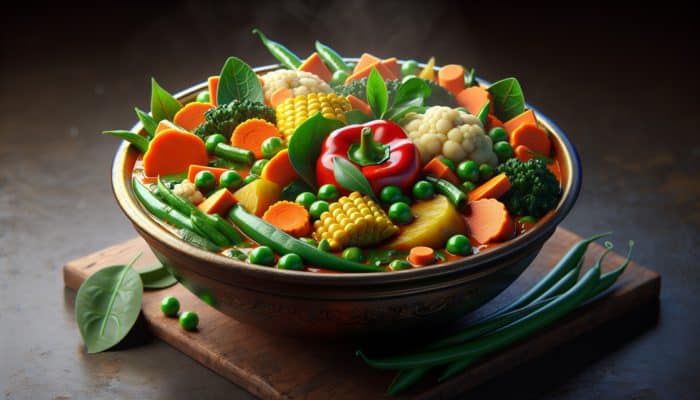
Crafting a delectable speedy veggie curry begins with selecting the finest vegetables, which are pivotal in boosting both the taste and health advantages of the dish. A vibrant assortment of colorful vegetables not only heightens the visual attraction of your meal but also enriches it with vital nutrients. When preparing your curry, ensure that you include these essential vegetables:
- Bell peppers
- Carrots
- Peas
- Spinach
- Cauliflower
- Potatoes
- Sweet corn
- Green beans
Integrating these vegetables results in a delightful mix of flavors and textures, while also guaranteeing a bountiful supply of vitamins and minerals. The striking colors of bell peppers and carrots not only enhance eye appeal but also indicate their nutrient-rich profile. For instance, peas and spinach are outstanding sources of iron and various vitamins, whereas potatoes contribute to the dish’s heartiness, making your curry both filling and satisfying. By thoughtfully selecting your vegetables, you can transform your curry into an incredibly nutritious and delicious experience.
Essential Spices to Elevate the Flavor of Your Curry
Spices are the heart and essence of any curry, infusing it with depth and complexity that delights the palate. To create a truly flavorful, speedy veggie curry, it is imperative to incorporate a well-balanced mix of spices that enhance the overall taste. Here are the must-have spices to include:
- Turmeric
- Cumin
- Coriander
- Chili powder
- Garam masala
- Black mustard seeds
- Cardamom
Turmeric imparts a warm, earthy flavor and is praised for its myriad health benefits, including powerful anti-inflammatory properties. Meanwhile, cumin and coriander contribute subtle nuttiness and a citrusy note that harmonizes beautifully with the vegetables in your curry. A touch of chili powder adds a kick of heat, while garam masala completes the dish with a fragrant finish. Sautéing these spices at the beginning of your cooking process allows their essential oils to be released, infusing the entire dish with rich flavors, ensuring that every bite is a delightful culinary adventure.
Stock Your Pantry with Essential Ingredients for Effortless Curry Preparation
Having the right pantry staples on hand can dramatically enhance your ability to whip up a speedy veggie curry with ease. These foundational items serve as a robust base for your curry:
- Coconut milk
- Canned tomatoes
- Vegetable stock
- Tomato paste
Coconut milk adds a creamy texture and mild sweetness that balances the spices, creating a luxurious curry experience. Conversely, canned tomatoes contribute acidity and richness, forming an ideal backdrop for the spices and vegetables. This combination is crucial for crafting a satisfying, hearty curry while saving you valuable time on chopping and preparing fresh ingredients. By keeping these staples stocked, preparing a delicious curry becomes a quick and effortless task, allowing you to savor a homemade meal with minimal effort.
Enhance Your Curry by Incorporating Protein for a More Satisfying Meal

To elevate your speedy veggie curry into a more substantial meal, think about incorporating various protein sources. Ingredients such as tofu or Chickpeas not only boost the nutritional value but also enhance the texture of the dish.
- Firm tofu
- Chickpeas
- Lentils
- Edamame
Tofu, when marinated and sautéed, beautifully absorbs the flavors of your curry, providing a satisfying texture. Chickpeas are packed with protein and fiber, offering heartiness and enhancing the dish’s ability to satisfy hunger. You can conveniently add canned chickpeas directly without the need for pre-cooking. Lentils are another fantastic option, as they cook quickly and contribute a delightful creaminess to the dish. By including these protein sources, not only do you enhance the nutritional profile of your curry, but you also create a filling meal that genuinely satisfies your appetite.
Implement Smart Cooking Strategies to Minimize Preparation Time
To save time while preparing your speedy veggie curry, consider employing a few smart cooking strategies. Opting for pre-chopped vegetables and pre-mixed curry paste can significantly reduce your preparation time. Here are some practical tips to streamline your curry-making process:
- Use frozen pre-chopped vegetables.
- Buy high-quality curry paste.
- Pre-soak lentils or beans for quicker cooking.
- Utilise a pressure cooker for fast cooking.
Utilizing frozen pre-chopped vegetables not only saves time but also allows you to maintain a diverse selection without the worry of spoilage. A premium curry paste can provide a complex flavor profile, eliminating the need for multiple spice jars. If you opt for dried lentils or beans, pre-soaking them will considerably reduce cooking time, making them ready to absorb the flavors of your curry. Finally, a pressure cooker can drastically reduce cooking times for beans and stews while enhancing flavor melding, ensuring your curry is ready in no time.
Perfecting Your Veggie Curry: Techniques to Master
Efficient Chopping and Dicing for Uniform Cooking

The technique you use to chop and dice your vegetables can greatly affect the cooking time and texture of your speedy veggie curry. For even cooking, it is essential to cut vegetables into uniform sizes. This practice ensures that they cook consistently and retain their texture throughout the dish.
When preparing your vegetables, focus on:
- Cutting larger pieces into smaller, bite-sized cubes.
- Using a sharp knife for cleaner cuts.
- Grouping vegetables by cooking time to streamline the process.
- Prepping ahead by chopping veggies and storing them in the fridge.
By chopping larger pieces into smaller, bite-sized cubes, you ensure they cook through at the same rate, enhancing your curry’s overall consistency. A sharp knife is essential; it allows for cleaner cuts, making your prep time much more efficient. Grouping vegetables by cooking time can also simplify your cooking process. For example, root vegetables like carrots and potatoes take longer to cook than softer vegetables such as spinach, so adding them at different stages enhances the harmony of your curry. Preparing ahead by chopping vegetables and storing them in the fridge can significantly reduce last-minute prep time on busy weeknights.
Boosting Flavor Through Skillful Sautéing of Spices
Sautéing spices is a crucial technique that transforms the overall flavor of your speedy veggie curry. This method releases essential oils and deepens the flavors, laying the foundation for an exquisite dish. Here’s how to effectively sauté spices:
- Heat oil in a pan over medium heat.
- Add whole spices first (like mustard seeds) and let them pop.
- Follow with ground spices and sauté for 30 seconds to 1 minute.
- Add your chopped vegetables to the pan after the spices are aromatic.
Start by heating oil in a pan over medium heat, ensuring it is sufficiently hot to fry the spices without burning them. Adding whole spices like mustard seeds first allows you to hear them pop, releasing their flavors into the oil. Next, add ground spices like turmeric and cumin and sauté for about 30 seconds to a minute until they become fragrant; this step is vital as it activates their flavors and enriches your dish. After sautéing the spices until aromatic, introduce your chopped vegetables to the pan, allowing them to absorb all the wonderful flavors you’ve created.
Simmering Your Curry for Optimal Flavor Development
Simmering is an essential step in crafting a speedy veggie curry, as it enables the ingredients to meld together and develop a rich, cohesive flavor profile. The right simmering duration can elevate your dish from good to extraordinary.
For the best flavor, aim to simmer your curry on low heat for approximately 20 to 30 minutes. This timeframe allows the spices to infuse into the vegetables, creating a harmonious balance of flavors. During this process, keep the pot covered to retain moisture, and stir occasionally to prevent sticking while ensuring even cooking. If your curry seems too thick, don’t hesitate to add a splash of water or vegetable stock to achieve your desired consistency. The longer you let it simmer, the more the flavors will meld, resulting in a sumptuous, satisfying dish that resonates with authentic culinary techniques.
Expert Insights for Creating the Ideal Speedy Veggie Curry
Professional Suggestions to Enhance Your Cooking Experience
Professional chefs offer invaluable insights that can vastly improve your ability to create a quick yet delicious veggie curry. Their expertise can empower home cooks to achieve restaurant-quality results in minimal time. Here are some expert tips to consider:
- Utilize fresh spices rather than older ones for maximum flavor impact.
- Create your own spice blends to add a personal touch.
- Add acid (like lemon juice) at the end for a brightness boost.
- Experiment with various types of vegetables for a range of textures.
Using fresh spices can significantly enhance your curry’s flavor profile, so always check the freshness of your pantry stock. Chefs often recommend crafting your own spice blends, allowing you to customize flavors to your liking and add a unique flair to your dish. Introducing an acidic component, such as lemon juice or vinegar, at the end of cooking can brighten the overall flavor profile, cutting through the richness of the coconut milk. Finally, don’t hesitate to experiment with different types of vegetables; this variety not only adds texture but also enhances the overall culinary experience.
Effective Strategies for Efficient Cooking
The art of cooking does not have to consume endless hours, especially when preparing a veggie curry. There are numerous time-saving techniques you can adopt without sacrificing flavor. Here are some actionable steps to reduce your cooking time:
- Opt for frozen vegetables instead of fresh.
- Utilize a food processor for chopping and blending.
- Prepare your ingredients in stages, ideally in advance.
- Consider one-pot cooking methods to simplify cleanup.
Using frozen vegetables allows for quick preparation without sacrificing nutritional quality, as they are often flash-frozen at peak freshness. A food processor can significantly speed up chopping and blending, enabling you to prepare ingredients in mere minutes. Preparing ingredients in stages, such as chopping vegetables or measuring spices the night before, can streamline your cooking on the day you plan to serve. Lastly, one-pot cooking methods not only save time but also simplify cleanup, making your culinary experience more enjoyable and efficient.
Techniques to Amplify the Flavor of Your Curry
To create a truly exceptional veggie curry, incorporating flavor enhancement techniques is essential. Specific strategies can dramatically elevate the overall taste of your dish. Here are expert methods to consider for enhancing the flavor of your curry:
- Add fresh herbs like cilantro or mint just before serving.
- Experiment with different bases, such as stock instead of water.
- Introduce a hint of sweetness with ingredients like sugar or agave syrup.
- Finish with a drizzle of quality oil, such as olive or sesame.
Incorporating fresh herbs such as cilantro or mint just before serving can provide a final burst of flavor and freshness to your dish. You may also want to experiment with using vegetable stock instead of plain water; this adds depth to your dish. Introducing a touch of sweetness, whether through sugar or a natural sweetener like agave syrup, can balance the spices, creating a harmonious flavor profile. Finally, a drizzle of high-quality oil, such as extra-virgin olive oil or sesame oil, can elevate your dish, adding richness and a luxurious finish.
Understanding the Health Benefits of Veggie Curry
Diving into the Nutritional Value of Your Veggie Curry
Veggie curry stands as a nutrient powerhouse, overflowing with vitamins and minerals derived from a myriad of vegetables. Each ingredient contributes to a well-rounded diet, making it an excellent choice for health-conscious individuals.
Incorporating a diverse array of vegetables into your curry, such as spinach, carrots, and bell peppers, offers a multitude of nutritional benefits. Spinach is abundant in iron and calcium, both vital for energy and bone health. Carrots are rich in beta-carotene, essential for supporting eye health, while bell peppers deliver a generous dose of vitamin C, crucial for immune support. By regularly enjoying veggie curry, you can significantly enhance your intake of dietary fiber, which aids digestion and helps you feel full for longer, making it an ideal meal choice for overall wellness.
Customizing Veggie Curry for Diverse Dietary Needs
One of the standout features of veggie curry is its remarkable versatility, making it suitable for a variety of dietary requirements. Whether you follow a vegetarian, vegan, or gluten-free diet, veggie curry can accommodate everyone.
For vegetarian and vegan diets, veggie curry is an excellent option, offering plant-based protein sources like tofu, chickpeas, or lentils. You can easily substitute animal-derived ingredients—such as coconut milk for cream—to ensure it remains vegan-friendly. For those seeking gluten-free options, avoid using wheat-based products, such as certain naan breads, and instead serve your curry with rice or gluten-free flatbreads. This adaptability guarantees that veggie curry can be enjoyed by individuals with diverse dietary requirements, promoting inclusivity in meal planning.
Highlighting the Antioxidant Properties of Your Ingredients
The spices commonly used in veggie curry not only elevate flavor but also offer significant health benefits due to their antioxidant properties. Spices such as turmeric, cumin, and ginger are renowned for their rich antioxidant content, which is beneficial for overall health.
Turmeric, in particular, contains curcumin, a powerful antioxidant that can help combat oxidative stress. Cumin and ginger also exhibit antioxidant effects, supporting the immune system and reducing inflammation. Including these spices in your veggie curry provides protective benefits against various diseases and contributes to a well-rounded diet. The synergy between these spices can enhance your overall health, making veggie curry a delicious and nutritious choice for meals.
Veggie Curry’s Role in Supporting Weight Management
Veggie curry serves as a satisfying meal option that is low in calories yet high in fiber, which can assist with weight control. The combination of vegetables and legumes creates a filling meal that can help curb cravings and reduce overeating.
By incorporating a variety of high-fiber vegetables, such as broccoli and beans, into your curry, you can create a dish that not only keeps you full but also supports a healthy digestive system. The low calorie count of many vegetables allows for generous servings without the guilt often associated with higher-calorie dishes. Furthermore, the spices in your veggie curry can boost metabolism, further aiding in weight management. This exemplifies how a nutritious meal can be both satisfying and supportive of your desired weight.
Promoting Heart Health Through Your Ingredients
The ingredients commonly featured in veggie curry, such as turmeric, garlic, and tomatoes, are well-known for their benefits in supporting cardiovascular health. Including these elements in your diet can foster a healthier heart and overall well-being.
Turmeric has been associated with improved heart health due to its anti-inflammatory properties, while garlic is celebrated for lowering cholesterol levels and enhancing circulation. Tomatoes, rich in lycopene, can also contribute to heart health by reducing inflammation and preventing blood clots. By enjoying a hearty veggie curry, you are not only treating yourself to a delightful meal but also actively promoting your cardiovascular health. The combination of these ingredients makes veggie curry a heart-friendly dish that can be savored regularly without sacrificing taste.
Personalizing Your Veggie Curry Experience
Incorporating Protein to Enhance Nutritional Balance in Your Dish
Customizing your veggie curry to include protein can significantly elevate its nutritional value while making it more filling. A range of protein options are available, allowing you to tailor your dish to your dietary preferences and needs.
Consider adding tofu, chickpeas, lentils, or even tempeh into your veggie curry. Tofu can be marinated for added flavor, providing a lovely texture that absorbs the spices beautifully. Chickpeas, whether canned or cooked from dried, introduce a creamy element and are packed with fiber and protein. Lentils cook relatively quickly and offer a rich, hearty feel to your dish, while tempeh adds a unique nutty flavor and is also an excellent source of protein. Including these protein elements can transform your curry into a more balanced meal that satisfies both hunger and nutritional needs.
Adjusting Spice Levels to Suit Your Personal Taste
One of the most enjoyable aspects of creating a veggie curry is the flexibility to adjust the spice levels to match your taste. Whether you prefer a mild dish or a fiery explosion of flavors, you can easily modify your curry to suit your liking.
To adjust the spice level, start with a base recipe and gradually add chili powder or fresh chilies until you achieve your desired heat level. If your curry turns out too spicy, you can counterbalance the heat with a hint of sweetness, such as sugar or coconut milk, to mellow the intensity. Additionally, serving your curry with cooling sides like yogurt or raita provides a refreshing contrast to the heat. This flexibility allows you to create a dish that is not only delicious but also perfectly tailored to your palate.
Experimenting with Unique Flavors for a Signature Veggie Curry Creation
For those eager to elevate their cooking, experimenting with different flavor combinations can lead to delightful surprises in your veggie curry. The possibilities are endless, and each new combination opens the door to unique culinary experiences.
Consider trying out various herbs and spices to create your personal signature blend. For example, pairing coriander with lime can introduce a bright, zesty profile, while adding coconut sugar or pineapple can create a tropical twist. You might also want to incorporate smoked paprika or cinnamon for a warm, earthy depth. Don’t hesitate to combine unexpected ingredients, such as nuts or dried fruits, which can add texture and a delightful surprise. The key is to enjoy the cooking process, adapting and adjusting to your taste and mood, ultimately resulting in a veggie curry that is uniquely yours.
Best Practices for Serving and Storing Your Veggie Curry
Optimal Pairings to Enhance Your Curry Experience
When serving your speedy veggie curry, selecting the right accompaniments can elevate the dish to new culinary heights. Thoughtful pairings can create a well-rounded meal that satisfies all your culinary desires.
Rice or naan bread are classic choices that pair beautifully with veggie curry. Basmati rice, with its aromatic qualities, absorbs the curry’s flavors perfectly, while naan provides a delightful vehicle for scooping up the rich sauce. For a healthier alternative, consider serving your curry over quinoa or brown rice, adding an extra layer of nutrition to your meal. You can also garnish your dish with fresh herbs, such as cilantro or parsley, and a squeeze of lime juice to enhance both the presentation and flavor. Serving your veggie curry in vibrant bowls creates a feast for the eyes, making your meal truly memorable.
Effective Techniques for Safely Storing Leftovers
Properly storing leftovers from your veggie curry ensures that you can enjoy the flavors for days to come. Effective storage is essential for maintaining quality and safety.
To store leftover curry, allow it to cool completely before transferring it to airtight containers. This practice helps prevent condensation, which can lead to sogginess. You can keep your veggie curry in the refrigerator for up to three days. Always remember to label your containers with the date to track freshness. When you’re ready to indulge again, reheat the curry on the stovetop or in the microwave, adding a splash of water or coconut milk if it appears too thick.
Best Practices for Reheating Your Delicious Curry
Reheating your veggie curry should be done gently to preserve its flavors and maintain quality. The right techniques can make all the difference in ensuring a satisfying meal.
For optimal results, reheat your curry on the stovetop in a saucepan over medium-low heat. Stir occasionally to prevent sticking and ensure even heating. If you’re short on time, use the microwave: place the curry in a microwave-safe dish and cover it with a lid to retain moisture. Heat in short intervals, stirring in between, until the curry is piping hot. Avoid overheating, as this can alter the texture and flavor of your dish. Employing proper reheating techniques allows you to enjoy your leftovers just as much as the first serving.
Freezing Techniques for Convenient Meal Prep
Freezing veggie curry is an excellent strategy for meal preparation and ensuring you always have a nutritious meal readily available. This technique not only saves time but also reduces food waste, making it a practical option for busy lifestyles.
To freeze your curry, cool it completely and portion it into freezer-safe containers. Freezing in single-serving sizes is ideal, making it convenient for quick meals later on. Be sure to leave some space in the containers, as the curry will expand when frozen. You can store the veggie curry in the freezer for up to three months. When you’re ready to enjoy it, thaw it in the refrigerator overnight and reheat gently on the stove or in the microwave. This approach keeps your meals fresh and allows you to savor the flavors you love anytime.
Frequently Asked Questions About Veggie Curry
Can I use frozen vegetables in my curry?
Yes, frozen vegetables are an excellent choice for veggie curry as they save time and retain nutritional value. You can add them directly to the curry without thawing.
How can I make my curry spicier?
To increase the spice level, add more chili powder, fresh chilies, or hot sauce to your curry. Begin with small amounts and adjust according to your taste preferences.
Can I prepare veggie curry ahead of time?
Absolutely! Veggie curry can be prepared ahead of time and stored in the fridge for up to three days. The flavors often deepen and improve after a day.
What is the best way to serve veggie curry?
Veggie curry is best served alongside rice, naan bread, or quinoa. Garnishing with fresh herbs and a squeeze of lime juice can enhance the presentation and flavor.
What proteins can be added to veggie curry?
You can incorporate various proteins into your veggie curry, including chickpeas, tofu, lentils, and tempeh. Each option adds unique texture and nutrition to the dish.
How long does veggie curry last in the fridge?
Leftover veggie curry can be stored in airtight containers in the fridge for up to three days, ensuring you can enjoy it multiple times.
Is veggie curry suitable for vegan diets?
Yes, veggie curry is an excellent option for vegan diets. It can be easily made without any animal products by using plant-based ingredients.
Can I freeze veggie curry?
Yes, veggie curry freezes well. Portion it into freezer-safe containers and store it for up to three months. Thaw in the refrigerator before reheating.
What is the nutritional value of veggie curry?
Veggie curry is rich in vitamins, minerals, and antioxidants from a variety of vegetables and spices, making it a nutrient-dense meal option that supports overall health.
How can I enhance the flavors of my curry?
Enhance your curry’s flavors by using fresh spices, adding acids like lemon juice, or incorporating fresh herbs just before serving for a burst of freshness.
Stay updated with our latest posts on Facebook!
The post How to Make a Speedy Veggie Curry: Quick and Easy appeared first on https://cookinggods.com
The Article Speedy Veggie Curry: Quick and Easy Recipe Guide Was Found On https://limitsofstrategy.com
The Article Veggie Curry: Quick and Easy Recipe Guide for Speedy Meals First Appeared ON
: https://ad4sc.com
Comments are closed