Boost Your Immune System with Nutritious Soups and Broths Full of Health Benefits
Unlock the Immune-Boosting Benefits of Bone Broth
Explore the Top Recipes for Fortifying Your Immune System: Bone broth has emerged as a nutritional powerhouse, lauded for its exceptional capacity to significantly enhance immunity. This wholesome broth is enriched with a wide variety of minerals, vitamins, and amino acids, providing essential support for the immune system. Loaded with important elements like collagen, glucosamine, and hyaluronic acid, bone broth plays a vital role in improving gut health, which is closely linked to effective immune function. Some of the key nutrients found in bone broth include:
- Collagen: Crucial for maintaining gut integrity and supporting joint health.
- Amino acids: Including glycine and proline, which are essential for effective tissue repair.
- Minerals: Such as calcium, magnesium, and phosphorus, which are fundamental for overall well-being.
- Vitamins: B vitamins and vitamin K2 play a vital role in energy production and sustaining strong bone health.
- Gelatin: Supports digestive health and helps alleviate gut inflammation.
Incorporating bone broth into your meals can greatly enhance gut functionality and bolster your immune responses, particularly during the cold and flu seasons when your immune support is critical.
How to Craft a Vegetable Soup That Effectively Boosts Your Immunity?
Creating a vegetable soup that acts as a powerful immune booster is both simple and satisfying. This recipe includes ingredients recognized for their health-enhancing properties, such as garlic, onions, and leafy greens. Follow this clear, step-by-step guide to prepare a nourishing soup that not only warms your body but also fortifies your overall health.
1. Gather your ingredients: Ensure you have one tablespoon of olive oil, one diced onion, three minced garlic cloves, two sliced carrots, two chopped celery stalks, four cups of vegetable broth, and two cups of spinach, along with salt and pepper to taste.
2. Sauté the base: In a large pot, heat the olive oil over medium heat. Add the diced onion and sauté until it turns translucent. Introduce the minced garlic and sauté for an additional minute, allowing it to release a fragrant aroma.
3. Add the vegetables: Stir in the carrots and celery, cooking for about five minutes until they begin to soften.
4. Combine broth and greens: Pour in the vegetable broth and bring it to a gentle simmer. Once simmering, add the spinach and let it wilt and blend with the other ingredients.
5. Season and serve: Add salt and pepper according to your taste preferences. Allow the soup to simmer for an additional ten minutes to meld the flavors. Serve hot, garnished with fresh herbs if desired.
This vegetable soup is not just a culinary delight; it’s also a fantastic way to incorporate essential vitamins and minerals into your diet, especially during the colder months when immune support is vital.
Which Herbs Are Best for Enriching Your Soups?
Herbs are essential for enhancing both the flavor and nutritional value of soups. Certain herbs stand out for their remarkable immune-boosting properties. The top five herbs to consider adding to your soups include:
- Thyme: Rich in antioxidants, thyme has antimicrobial properties that can significantly enhance immune health.
- Rosemary: This herb is packed with rosmarinic acid, known for its anti-inflammatory benefits.
- Oregano: Loaded with antioxidants, oregano is celebrated for its antiviral and antibacterial properties.
- Basil: An aromatic herb that boosts immune function due to its high flavonoid content.
- Parsley: A nutrient-dense herb, parsley is an excellent source of vitamin C and various antioxidants.
These herbs not only enhance the flavor profile of your soup but also significantly contribute to its health benefits, making your meals both enjoyable and nourishing.
How to Effectively Incorporate Seaweed into Soups for Maximum Nutritional Value?
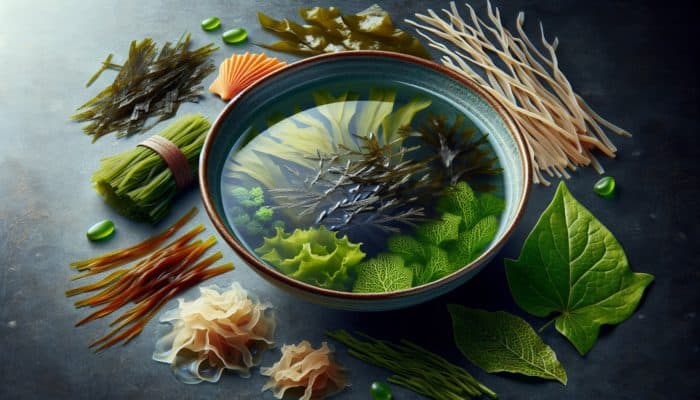
Seaweed is an often-overlooked superfood that can significantly elevate the nutritional content of soups. Bursting with iodine, vitamins, and minerals, seaweed provides extraordinary health benefits. To effectively incorporate seaweed into your soups, consider the following types and preparation methods.
Type of Seaweed: Dried varieties like nori, kombu, and wakame are excellent choices. Kombu serves as an exceptional broth base, imparting an umami flavor while infusing essential minerals.
Preparation Method: For clear soups, add a few pieces of kombu to the pot as it simmers; this will enhance both the flavor and nutritional profile without overpowering the other ingredients. In miso soups, add rehydrated wakame after preparing the broth to provide delightful texture and enrich the soup with additional minerals.
Beyond being nutrient-rich, seaweed introduces unique flavors and textures to your soups, making them more enjoyable and healthier.
Expert Insights on Effective Recipes for Immune Support
Case Studies of Dietary Patterns That Enhance Immunity
Examining the real-world effects of specific diets on immune health offers invaluable insights into effective nutritional strategies. Numerous case studies from around the globe illustrate how dietary choices can significantly enhance immune functionality. Here’s a bullet list of notable success stories that showcase the effectiveness of immune-boosting diets:
- A Mediterranean diet rich in fruits, vegetables, nuts, and olive oil has been associated with reduced occurrences of respiratory infections in various European populations.
- Traditional Japanese diets, featuring a high intake of fermented foods like miso and natto, have been linked to improved immune resilience in the population.
- A plant-based diet focused on whole foods has been demonstrated in clinical studies to enhance overall immunity and reduce inflammation.
- Indigenous diets that incorporate a variety of foraged foods often boast remarkably healthy immune systems, highlighting the advantages of diverse nutritional sources.
These examples underscore the importance of a well-rounded diet for bolstering immune health and provide a roadmap for individuals seeking to enhance their nutritional intake.
Practical Approaches to Daily Immune Support Through Nutrition
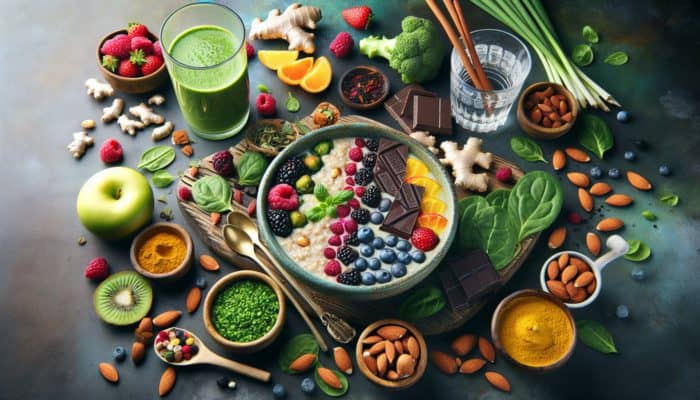
Incorporating immune-boosting foods into your daily meals requires minimal effort but can yield substantial health benefits. Here are some practical tips that can create a considerable impact on your immune health:
1. Start your day with a nutrient-dense breakfast: Include foods like oats topped with berries and nuts or a smoothie with spinach and citrus fruits.
2. Snack wisely: Opt for snacks high in antioxidants, such as almonds, dark chocolate, or fresh fruit, to bridge meals and maintain energy levels.
3. Plan meals around vegetables: Aim to fill half your plate with a variety of colorful vegetables at lunch and dinner, ensuring a diverse intake of vitamins and minerals.
4. Experiment with herbs and spices: Incorporate immune-enhancing spices like turmeric and ginger into your dishes to elevate flavor while reaping their health benefits.
5. Stay hydrated: Drink plenty of water and herbal teas throughout the day to support overall health and strengthen your immune function.
Making these minor adjustments can profoundly impact your overall health and immunity, helping you build a more robust defense against illnesses.
Expert Examination of the Essential Role of Nutrition in Immune Health
The relationship between nutrition and immune health is well-documented in the field of nutritional science. Nutritionists agree that a balanced diet, comprising a variety of food groups, is crucial for maintaining a resilient immune system. Different food groups provide unique nutrients essential for optimal immune function.
Fruits and Vegetables: High in vitamins A, C, and E, as well as antioxidants, these foods bolster the body’s ability to fend off infections.
Whole Grains: Rich in fiber, whole grains enhance gut health, which is intricately connected to immune function.
Proteins: Lean meats, fish, legumes, and nuts deliver amino acids necessary for producing immune cells.
Healthy Fats: Sources such as avocados, olive oil, and fatty fish contain omega-3 fatty acids, which help reduce inflammation and enhance immune responses.
By ensuring a diverse intake from these food groups, individuals can fortify their immune systems and better prepare their bodies to combat illnesses.
Unleashing the Power of Fermented Foods and Probiotics for Immune Enhancement
How Probiotics Strengthen Immune Function
Probiotics are live microorganisms that provide health benefits when consumed in adequate amounts, playing a critical role in enhancing immunity. The gut houses trillions of bacteria, which substantially influence overall health, including immune function. A balanced gut microbiome helps regulate immune responses, improving the body’s ability to fight infections.
Probiotics strengthen immunity by:
– Supporting the production of antibodies, crucial for combating pathogens.
– Inhibiting the growth of harmful bacteria, thus preventing infections.
– Modulating immune responses to decrease inflammation, which can otherwise undermine the immune system.
Research indicates that a balanced gut microbiome contributes to enhanced systemic health, making the inclusion of probiotics in daily nutrition essential for maintaining a robust immune response.
Easy Recipes for Homemade Fermented Foods
Making your own fermented foods at home is not only simple but also rewarding, making it easier to incorporate probiotics into your diet. Fermented foods like kimchi and sauerkraut not only improve gut health but also provide a range of flavors. Here’s a straightforward recipe to get you started with sauerkraut:
Ingredients:
– 1 medium head of green cabbage
– 1 tablespoon of sea salt
– Optional: spices such as caraway seeds or juniper berries for added flavor
Instructions:
1. Prepare the cabbage: Remove the outer leaves of the cabbage and save one for later. Cut the cabbage into quarters and remove the core. Shred the cabbage finely.
2. Mix with salt: In a large bowl, combine the shredded cabbage with salt. Massage the cabbage with your hands for about five to ten minutes until it releases its juices.
3. Pack it in: Transfer the cabbage mixture into a clean glass jar, pressing it down firmly to eliminate air pockets. Leave some space at the top, as the cabbage will expand during fermentation.
4. Cover the jar: Place the reserved cabbage leaf over the shredded cabbage to keep it submerged in its juices. Seal the jar loosely to allow gases to escape.
5. Ferment: Store the jar at room temperature (ideally 18-22°C) for one to four weeks, tasting it periodically. Once it reaches the desired tanginess, transfer it to the refrigerator.
This easy-to-make sauerkraut is an excellent way to introduce probiotics into your diet, supporting gut health and strengthening immunity.
What Are the Health Benefits of Consistent Probiotic Intake?
Regular consumption of probiotics can confer numerous health benefits, especially for gut health and immunity. These beneficial bacteria can influence various aspects of health, including:
- Improved digestion: Probiotics help maintain gut bacteria balance, alleviating bloating and constipation.
- Enhanced immune response: A healthy gut microbiome supports the production of immune cells and antibodies.
- Reduced incidence of infections: Regular probiotic intake can decrease the likelihood of respiratory and gastrointestinal infections.
- Better nutrient absorption: Probiotics enhance the absorption of essential nutrients, including vitamins and minerals.
- Potential mental health benefits: Emerging research suggests a link between gut health and mental well-being, potentially alleviating symptoms of anxiety and depression.
Incorporating probiotics into your daily routine through foods or supplements can yield substantial health benefits, enhancing your immune system’s resilience.
Nourishing Vitamin C-Rich Smoothies and Juices for Immune Support
How to Create a High-Vitamin C Smoothie
Crafting a high-vitamin C smoothie is an enjoyable way to strengthen your immunity. Vitamin C is crucial for immune health, and blending a variety of vitamin C-rich fruits and vegetables can amplify your intake. Here’s a simple recipe for a refreshing and nutritious smoothie:
Ingredients:
– 1 peeled and segmented orange
– 1 cup of spinach or kale
– 1/2 cup of pineapple chunks (fresh or frozen)
– 1/2 cup of Greek yogurt or plant-based yogurt
– 1 tablespoon of honey (optional, for added sweetness)
– 1 cup of water or coconut water
Instructions:
1. Prepare the ingredients: In a blender, add the orange segments, spinach or kale, pineapple chunks, yogurt, and honey if desired.
2. Blend: Pour in the water or coconut water and blend until smooth, ensuring all ingredients are well combined. Adjust the amount of liquid to your preferred consistency.
3. Serve: Pour the smoothie into a glass and enjoy immediately for maximum nutrient benefits.
This vibrant smoothie not only tastes fantastic but also delivers a powerful punch of vitamin C to keep your immune system strong.
Discover the Health Benefits of Citrus Fruits in Juices
Citrus fruits are widely celebrated for their immune-boosting properties, primarily due to their high vitamin C content. These fruits offer a wealth of nutrients vital for maintaining good health. When consumed in juices, citrus fruits such as oranges, lemons, limes, and grapefruits provide the following advantages:
– High in Vitamin C: This essential vitamin is recognized for its role in immune function, aiding in the stimulation of white blood cell production.
– Antioxidant properties: Citrus fruits are rich in flavonoids, which combat oxidative stress and inflammation.
– Hydration: These fruits boast a high water content, helping to keep the body hydrated and supporting overall health.
– Digestive health: Citrus juices can facilitate digestion, thanks to their fiber content when consumed whole and their acidity that stimulates digestive enzymes.
– Heart health: The potassium found in citrus fruits can help regulate blood pressure and enhance cardiovascular health.
Incorporating citrus juices into your diet offers a refreshing and healthful way to support your immune system.
What Are the Best Juice Combinations for Immune Support?
Certain combinations of fruits and vegetables can maximize the immune benefits of juices, allowing you to create nutrient-dense beverages that bolster health. Here are the top three combinations to consider:
- Orange and ginger: This pairing provides a burst of vitamin C and includes ginger, known for its anti-inflammatory properties.
- Carrot and lemon: Carrots are rich in beta-carotene, which converts to vitamin A, essential for immune function, while lemon contributes a substantial dose of vitamin C.
- Beetroot and apple: Beetroots are high in antioxidants and promote improved blood flow, while apples add natural sweetness and fiber.
These combinations not only taste wonderful but also deliver a powerhouse of nutrients that can enhance your immune system’s resilience.
Proven Techniques for Crafting Recipes That Strengthen Immunity
Well-Loved Recipes That Effectively Boost Immunity
Certain recipes have gained popularity for their immunity-boosting effects, becoming staples in health-conscious kitchens. Here are some beloved recipes along with their key ingredients that have proven beneficial for immune health:
- Chicken soup with garlic and ginger: This comforting dish is renowned for soothing symptoms while providing substantial immune support.
- Turmeric and black pepper tea: Utilizing turmeric’s anti-inflammatory properties, this tea is a go-to remedy for combating colds.
- Fermented vegetable salad: A dish rich in probiotics that enhances gut health and immunity.
- Sweet potato and kale hash: Combining vitamin A-rich sweet potatoes with nutrient-dense kale creates a hearty, immune-boosting meal.
These recipes not only promote immunity but also support overall health and wellness, making them excellent additions to your diet.
Actionable Steps for Seamlessly Adding Immune-Boosting Foods into Your Meals
Incorporating immune-boosting foods into your daily meals doesn’t have to be overwhelming. Here are some straightforward strategies for busy individuals looking to enhance their diets:
1. Meal prep: Dedicate time on weekends to prepare immune-supportive meals in advance, such as soups and salads, that can be easily reheated or assembled throughout the week.
2. Pack nutrient-dense lunches: Instead of relying on takeout, prepare lunches that include a variety of colors and nutrients, like salads featuring mixed greens, quinoa, and a protein source.
3. Keep snacks on hand: Stock your pantry with healthy snacks like nuts, seeds, and dried fruit to ensure you have readily available options that support immune health.
4. Utilize frozen fruits and vegetables: Frozen produce retains its nutrients and can easily be added to smoothies, soups, or stir-fries, providing a simple way to enhance your nutrient intake.
5. Join a cooking class or online workshop: These can inspire and educate you on how to create delicious immune-boosting meals, making the process enjoyable.
These easy strategies can help you integrate immunity-enhancing foods into your daily routine while supporting overall health.
Expert Insights on the Necessity of Dietary Diversity for Optimal Immune Health
A varied diet is essential for ensuring you receive a wide range of nutrients crucial for optimal health, particularly concerning immune function. Nutritionists advocate for a diverse selection of foods, as each food group provides unique health benefits that contribute to a well-rounded nutritional profile.
Fruits and Vegetables: Consuming a wide variety of fruits and vegetables ensures you get essential vitamins, minerals, and antioxidants. Different colors represent various nutrients, each providing unique benefits.
Proteins: Incorporating different protein sources, such as legumes, fish, and lean meats, supplies a variety of amino acids crucial for immune cell production.
Grains: Eating a mix of whole grains can provide a range of fiber, vitamins, and minerals that support digestive health and a balanced immune system.
Healthy fats: Including sources like avocados, nuts, and seeds ensures adequate intake of omega-3 fatty acids, which play a vital role in reducing inflammation.
By diversifying food choices, individuals can better support their immune systems, equipping their bodies with the necessary tools to fend off illness and maintain health.
Immune-Boosting Herbal Teas and Infusions
How Herbal Teas Enhance Immune Function
Herbal teas have long been utilized as natural remedies for various ailments, including boosting immune function. Teas such as echinacea and elderberry have gained popularity for their immune-enhancing properties. These herbs provide phytonutrients that can strengthen the body’s natural defense systems.
Echinacea: Renowned for its ability to stimulate the immune system, echinacea is often taken at the first sign of cold symptoms to potentially reduce their duration.
Elderberry: Rich in antioxidants, elderberry is shown to alleviate the severity of cold and flu symptoms while supporting immune function.
These herbal infusions provide health benefits and serve as comforting beverages, particularly during colder months when immune support is essential.
Recipes for Crafting Immune-Boosting Tea Blends
Creating your own immune-boosting tea blends can be a delightful way to integrate beneficial herbs into your daily routine. Here’s a straightforward recipe for an immune-boosting tea blend that you can easily prepare at home:
Ingredients:
– 1 tablespoon dried echinacea leaves
– 1 tablespoon dried elderberries
– 1 tablespoon dried ginger root
– 1 tablespoon dried lemon balm
– Honey (optional, for sweetness)
Instructions:
1. Combine the herbs: In a bowl, mix the dried echinacea, elderberries, ginger root, and lemon balm to create your blend.
2. Steep the tea: Use one to two teaspoons of the blend per cup of boiling water. Allow it to steep for ten to fifteen minutes.
3. Strain and serve: Strain the herbs and sweeten with honey if desired. Enjoy this tea warm, especially during cold weather, to harness its immune-boosting properties.
This tea blend is not only enjoyable but also serves as a warming beverage that supports your immune system year-round.
What Are the Most Powerful Herbs for Immune Health?
Certain herbs have long been celebrated for their ability to boost immunity, often featured in traditional medicine systems across the globe. The top five herbs that stand out for their immune-enhancing properties include:
- Echinacea: Frequently utilized to prevent colds and flu while boosting overall immune function.
- Elderberry: Acknowledged for its antiviral properties, elderberry may help shorten the duration of illness.
- Garlic: Contains allicin, which has been shown to possess antimicrobial and immune-enhancing effects.
- Ginger: This root has anti-inflammatory properties and can support a healthy immune response.
- Turmeric: Contains curcumin, a potent anti-inflammatory compound that can modulate immune function.
Incorporating these herbs into your diet through teas, soups, and other recipes can significantly enhance your immune system’s resilience.
Superfood Salads and Bowls for Immune Fortification
Why You Should Add Superfoods to Your Salads
Integrating superfoods into your salads can greatly enhance their nutritional profile. Superfoods like kale, quinoa, and berries are rich in vitamins and minerals, offering distinct health benefits. Some key superfoods to consider include:
- Kale: Packed with vitamins A, C, and K, kale is a powerful antioxidant that can help combat inflammation.
- Quinoa: A complete protein, quinoa contains all nine essential amino acids, supporting muscle health and overall vitality.
- Blueberries: Known for their high antioxidant content, blueberries help mitigate oxidative stress.
- Chia Seeds: Rich in omega-3 fatty acids and fiber, chia seeds promote heart health and digestive function.
- Avocado: Full of healthy fats, avocados enhance nutrient absorption and provide essential vitamins.
Incorporating these superfoods into your salads not only boosts flavor but also ensures you are consuming a rich array of nutrients necessary for optimal health.
How to Assemble a Nutrient-Dense Salad Bowl
Creating a nutrient-dense salad bowl is an excellent way to ensure a well-rounded meal packed with essential nutrients. Here’s how to create a vibrant salad bowl that maximizes immune support:
1. Base: Start with dark leafy greens such as spinach or kale, which are rich in vitamins and minerals.
2. Protein: Add a source of lean protein, such as grilled chicken, chickpeas, or tofu, to enhance satiety and nutrient balance.
3. Whole grains: Incorporate a serving of whole grains like quinoa or brown rice for added fiber and nutrients.
4. Superfoods: Toss in superfoods like berries, nuts, or seeds for added flavor and health benefits.
5. Dressings: Top with a healthy dressing made from olive oil, lemon juice, and herbs to enhance flavor while providing healthy fats.
This method guarantees a diverse intake of nutrients and creates a satisfying meal that supports your immune system.
What Are the Best Dressings for Immune-Boosting Salads?
The right dressing can elevate a salad’s nutritional content while enhancing its flavor. Here are the top three dressings that work well in immune-boosting salads:
- Lemon-tahini dressing: Combining tahini with lemon juice provides healthy fats and vitamin C.
- Balsamic vinaigrette: Made with balsamic vinegar and olive oil, this dressing is rich in antioxidants and healthy fats.
- Ginger-soy dressing: This Asian-inspired dressing adds a zesty flavor and incorporates ginger, known for its anti-inflammatory properties.
These dressings enhance the taste of salads and contribute additional nutrients that can support immune health.
Healthy Snacks and Treats to Strengthen Your Immune Defense
How to Create Nutritious Immune-Boosting Snacks
Snacks can be both delicious and nutritious, serving as essential fuel for maintaining energy levels throughout the day. Here’s a simple recipe for an immune-boosting snack that is easy to prepare and satisfying:
Recipe for Energy Balls:
Ingredients:
– 1 cup of rolled oats
– 1/2 cup of nut butter (almond or peanut)
– 1/4 cup of honey or maple syrup
– 1/4 cup of chia seeds
– 1/4 cup of dark chocolate chips or dried fruit
Instructions:
1. Mix ingredients: In a bowl, combine rolled oats, nut butter, honey, chia seeds, and dark chocolate chips or dried fruit until well mixed.
2. Form balls: Roll small amounts of the mixture into balls, approximately one inch in diameter.
3. Chill: Place the energy balls in the refrigerator for at least thirty minutes to firm up.
4. Store and enjoy: Keep them in an airtight container in the fridge for a quick, healthy snack anytime.
These energy balls are nutrient-dense and can provide a significant immune boost while satisfying your hunger.
What Are the Nutritional Advantages of Nuts and Seeds in Snacks?
Nuts and seeds are nutritional powerhouses, making them an excellent choice for snacks. These foods are rich in nutrients that support the immune system and overall health. The specific benefits of incorporating nuts and seeds include:
- Healthy fats: Nuts and seeds are high in monounsaturated and polyunsaturated fats, which promote heart health and reduce inflammation.
- Vitamins and minerals: They provide essential nutrients, such as vitamin E, zinc, and magnesium, crucial for optimal immune function.
- High in protein: Nuts and seeds serve as a plant-based protein source, promoting muscle health and satiety.
- Antioxidant properties: Many nuts and seeds contain antioxidants that help combat oxidative stress and inflammation.
Incorporating nuts and seeds into your snacks not only enhances their nutritional value but also provides sustained energy throughout the day.
What Are the Best Ingredients for Immune-Boosting Treats?
Transforming treats into immune boosters is achievable by selecting specific ingredients that promote health. Here are the top five ingredients to consider when creating immune-enhancing treats:
- Dark chocolate: With high levels of antioxidants, dark chocolate offers a sweet yet healthful option.
- Oats: Whole grains like oats are rich in fiber, aiding in stabilizing blood sugar levels and helping to maintain energy.
- Nut butters: These provide healthy fats and protein, making treats more satisfying and nutritious.
- Honey: A natural sweetener with antimicrobial properties, honey can enhance the health benefits of treats.
- Fruit puree: Using pureed fruits like bananas or apples can add moisture and natural sweetness while incorporating vitamins.
These ingredients can help create treats that are not only delicious but also supportive of immune health, allowing for guilt-free indulgence.
How to Integrate Fruits and Vegetables into Immune-Boosting Snacks
Fruits and vegetables are vital for a robust immune system, and incorporating them into your snacks can be both easy and enjoyable. Here are some clever ways to include more fruits and vegetables in your snacks:
1. Veggie sticks with hummus: Slice carrots, celery, and bell peppers to serve with a rich hummus dip for a nutrient-dense snack.
2. Fruit salads: Combine a variety of seasonal fruits to create a refreshing fruit salad, drizzling with honey or sprinkling chia seeds for extra nutrition.
3. Smoothie bowls: Blend leafy greens, fruits, and a base like yogurt, then top with nuts, seeds, and additional fruit for a nutrient-packed snack.
4. Veggie muffins: Incorporate grated zucchini or carrots into muffin recipes for a healthy twist on classic baked goods.
5. Frozen fruit bars: Blend fruits like watermelon or berries with a splash of coconut water and freeze into popsicles for a refreshing treat.
By discovering enjoyable ways to include fruits and vegetables, you can elevate your snacking experience while enhancing your overall immune health.
What Is the Role of Probiotics in Immune-Boosting Treats?
Probiotics can significantly enhance the health benefits of treats, particularly concerning gut health and immunity. When incorporated into desserts or snacks, probiotics help maintain a balanced gut microbiome, which is essential for immune function. Here are some ways to include probiotics in your treats:
– Yogurt-based recipes: Utilizing yogurt as a base for smoothies, parfaits, or frozen treats can introduce beneficial bacteria into your diet.
– Fermented ingredients: Adding ingredients like kefir or kombucha into baking or dessert recipes can enhance their probiotic content.
– Probiotic powders: Incorporating probiotic supplements into smoothies or energy ball recipes can easily increase the number of beneficial bacteria in your treats.
By integrating probiotics into your snack options, you can create delicious and healthful treats that support your immune system while satisfying your sweet cravings.
Common Questions About Immunity and Nutrition
Which immune-boosting foods should I add to my diet?
Incorporate fruits like citrus and berries, vegetables such as garlic and spinach, and healthy fats and proteins like nuts and seeds for a well-rounded, immune-boosting diet.
How often should I consume bone broth for immunity benefits?
Aim to include bone broth several times a week in your diet, as its nutrients can support gut health and, in turn, strengthen your immune system.
Can smoothies genuinely enhance my immune system?
Yes, smoothies made with vitamin C-rich fruits and leafy greens can provide essential nutrients that support immune function and overall health.
Which herbs are best for immune support?
Herbs like echinacea, garlic, ginger, and turmeric are well-known for their immune-boosting properties and can be easily incorporated into various recipes.
Is it better to consume fermented foods or take probiotic supplements?
Both options can be beneficial, but consuming fermented foods provides a broader range of beneficial bacteria and additional nutrients, while supplements can offer targeted strains.
How can I make healthy snacks appealing for my children?
Offer a variety of fruits and vegetables in fun shapes, make homemade energy balls, or create colorful fruit skewers to make healthy snacking appealing to children.
Are there specific diets recommended for boosting immunity?
Diets rich in fruits, vegetables, whole grains, lean proteins, and healthy fats, such as the Mediterranean diet, are recommended for boosting immunity and overall health.
Can stress negatively affect my immune system?
Yes, chronic stress can hinder immune function, making it essential to integrate stress-reduction techniques alongside a healthy diet.
How vital is hydration for immune health?
Staying well-hydrated is crucial for maintaining healthy bodily functions, including supporting the immune system in fighting off infections.
Are there quick immune-boosting recipes I can prepare?
Absolutely, recipes like smoothies, energy balls, or simple vegetable soups can be prepared quickly and easily, making them excellent options for busy schedules.
Stay updated on our Facebook page!
The post Top Recipes for Boosting Immunity: Essential Guide appeared first on https://cookinggods.com
The Article Immunity Boosting Recipes: Your Essential Guide Was Found On https://limitsofstrategy.com
The Article Immunity Boosting Recipes for a Healthier You First Appeared ON
: https://ad4sc.com
Comments are closed