Unlock the Amazing Health Benefits and Sustainability of Food Dehydration
Enhance Nutritional Value of Your Foods with Effective Dehydration Techniques
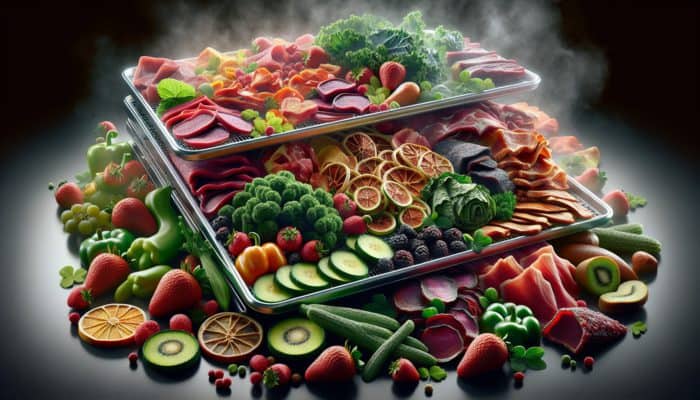
Food dehydration stands out as an exceptional technique for preserving the vital nutrients found in a variety of foods. This remarkable process efficiently eliminates excess moisture while safeguarding essential vitamins and minerals, thereby ensuring the food retains its nutritional integrity. A wide range of foods, including fruits, vegetables, and meats, can significantly benefit from this preservation method. The key nutrients that remain intact during the dehydration process include:
- Vitamins A and C: Crucial components present in fruits and vegetables that are essential for strengthening immune function and enhancing skin health.
- Minerals: Vital nutrients like potassium and magnesium are necessary for maintaining muscle function and overall health.
- Dietary Fibre: Important for digestive health, particularly abundant in dried fruits and vegetables, contributing to a balanced diet.
- Protein: Found especially in dried meats, critical for muscle repair and growth, supporting an active lifestyle.
By preserving these essential nutrients, dehydrated foods provide a wholesome alternative to sugary and processed snacks, making them an excellent choice for health-conscious individuals dedicated to wellness.
Prolong Your Food’s Shelf Life with Effective Dehydration Methods
The removal of moisture significantly extends the shelf life of food, making dehydration an invaluable strategy for reducing waste and saving money. When stored appropriately, dehydrated foods can remain edible for months or even years, allowing you to enjoy seasonal produce year-round. Common foods that greatly benefit from this extended shelf life through dehydration include:
- Fruits: Such as apples, bananas, and berries, all of which make delightful snacks.
- Vegetables: Like tomatoes, bell peppers, and zucchini, perfect for adding flavor to various dishes.
- Herbs: Including basil, parsley, and thyme, essential for enhancing culinary creations.
- Meats: Such as beef jerky or dried fish, ideal for high-protein snacks.
This increased longevity not only supports a versatile pantry but also plays a significant role in reducing food waste, aligning with a more sustainable lifestyle that benefits both individuals and the environment.
Revolutionize Your Kitchen with Efficient Food Storage Solutions
Dehydrated foods are not only nutrient-rich; they also offer space-efficient storage solutions that can transform kitchen management. By minimizing food volume, you can store larger quantities without sacrificing valuable space or incurring additional costs. To optimize your food storage techniques for dehydrated items, consider implementing these best practices:
- Utilizing airtight containers, like vacuum-sealed bags or glass jars, to effectively prevent moisture from re-entering and spoiling your food.
- Labeling: Clearly mark containers with dates and contents for easier identification and usage, ensuring you use older items first.
- Organizing by type: Grouping similar foods together reduces confusion and simplifies meal preparation, making cooking more efficient.
- Choosing the right environment: Store dehydrated foods in a cool, dark place to extend their shelf life and maintain quality.
By implementing this strategic approach to food storage, you can ensure that your dehydrated goods remain fresh and readily available whenever needed, enhancing both convenience and sustainability within your kitchen.
Explore Diverse Effective Methods for Food Dehydration
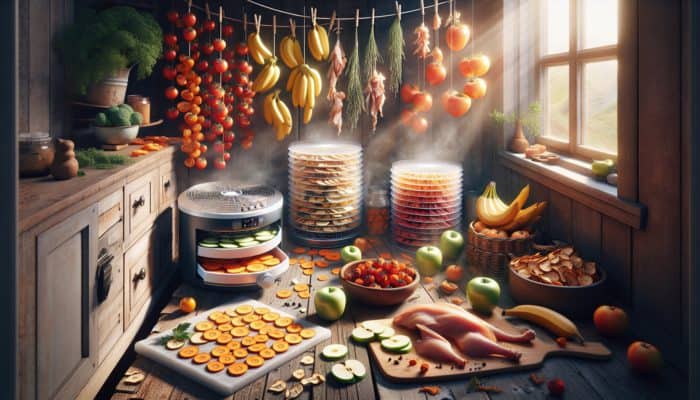
Mastering Air Drying Techniques for Efficient Food Dehydration
Air drying is one of the most traditional and simplest methods of food dehydration, relying primarily on natural airflow to remove moisture. This technique effectively dehydrates a variety of foods, including herbs, fruits, and vegetables. Foods particularly well-suited for air drying encompass:
- Herbs: Such as basil, oregano, and thyme, which retain their flavor remarkably well.
- Fruits: Including apples, pears, and apricots, which become chewy and sweet when dried.
- Vegetables: Such as tomatoes, peppers, and mushrooms, which can be used in various culinary applications.
- Meats: Thinly sliced meats can be air-dried to create jerky, a popular snack.
To successfully air-dry foods, ensure they are thoroughly washed and cut into uniform pieces to promote even drying. This method is not only cost-effective but also helps preserve the natural flavor profile of the food, making it a favored choice among home food preservers.
Essential Guidelines for Sun Drying Foods Safely
Sun drying harnesses the power of natural sunlight to effectively dehydrate foods. This method is straightforward and energy-efficient, particularly popular in warm climates with ample sunshine. However, to ensure food safety during sun drying, adhere to the following critical guidelines:
- Selecting the right location: Choose a sunny spot with good airflow to facilitate optimal drying, enhancing efficiency.
- Using clean surfaces: Spread food on clean trays or screens to prevent contamination from dirt or insects.
- Monitoring closely: Regular checks help to avoid spoilage or insect infestations, ensuring quality preservation.
- Covering with a mesh: This protects food from pests and environmental contaminants, maintaining hygiene.
By following these safety measures, you can relish the natural, delicious results of sun-dried foods that not only taste wonderful but also preserve the essence of the ingredients used.
Discover the Benefits of Electric Dehydrators for Modern Food Preservation
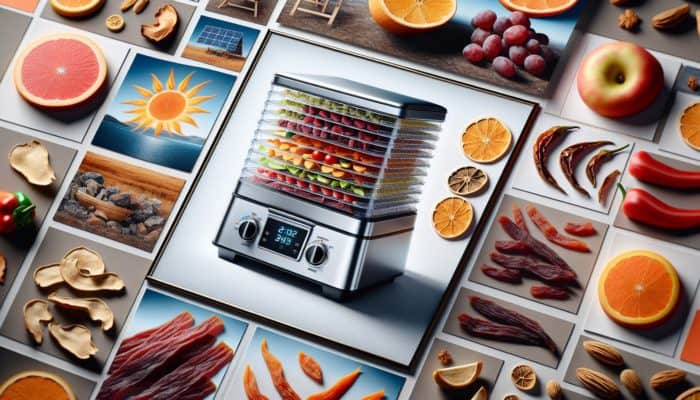
Electric dehydrators provide a contemporary solution that delivers consistent, reliable results for food dehydration. They utilize controlled temperature and airflow to ensure even drying, making them versatile for a wide range of food types. The advantages of using an electric dehydrator compared to traditional methods include:
- Temperature control: Precise settings for various foods enhance drying effectiveness and prevent overheating, ensuring food safety.
- Consistency: Uniform drying results significantly reduce the risk of spoilage, maintaining quality.
- Speed: Electric dehydrators generally dry foods faster than air-drying or sun-drying methods, saving time.
- Versatility: Ideal for drying fruits, vegetables, jerky, and even yogurt, expanding culinary possibilities.
Investing in a high-quality electric dehydrator can transform your approach to food preservation, enabling greater culinary creativity and efficiency in the kitchen.
Gain Professional Insights to Enhance Your Food Dehydration Techniques
Selecting the Best Foods for Successful Dehydration
Choosing the right foods is crucial for achieving successful dehydration outcomes. Not all foods dehydrate equally well; some retain their flavor and nutrients better than others. Real-world examples of foods that dehydrate effectively include:
- Fruits: Such as apples, bananas, and strawberries, which dry beautifully and retain sweetness.
- Vegetables: Including carrots, mushrooms, and zucchini, which maintain flavor and texture when rehydrated.
- Meats: Such as chicken, beef, and fish, which provide protein-rich options for dehydrating.
- Herbs: Including basil, rosemary, and dill, which add vibrant flavors to dishes.
On the other hand, foods with high moisture content, such as cucumbers or leafy greens, may not dehydrate effectively. To determine if a food is suitable for dehydration, consider its texture and moisture content. Generally, denser foods are better candidates for dehydrating, while those with high water content can become soggy and less palatable after rehydration.
Key Preparation Techniques to Enhance Your Dehydration Success
Proper preparation is vital for achieving optimal dehydration results. Each type of food has unique preparation requirements. For fruits, key steps in preparing them for dehydration include:
- Washing thoroughly: This ensures the removal of dirt, pesticides, and other contaminants that could affect flavor and safety.
- Peeling or slicing: Depending on the type of fruit, the peel may be removed to improve texture and enhance drying.
- Soaking in lemon juice: This helps prevent browning and enhances flavor, making them more appealing.
- Cutting into uniform pieces: This promotes even drying, reducing overall drying time and ensuring consistent results.
By adhering to these preparation steps, you can ensure that fruits retain their flavor, texture, and nutritional value throughout the dehydration process, resulting in a delightful end product.
Implement Effective Monitoring and Storage Techniques for Dehydrated Foods
Monitoring the dehydration process closely and storing food correctly are crucial for maintaining the quality of dehydrated foods. Best practices for monitoring include:
- Regular checks: Assess doneness by evaluating texture and moisture levels, ensuring food is adequately dried.
- Testing for dryness: Foods should be leathery but not sticky to the touch, indicating they are ready for storage.
- Using a thermometer: Ensure that the dehydrator operates at the correct temperature for optimal drying.
- Cooling before packaging: This step prevents condensation from forming in storage containers, which can lead to spoilage.
The storage duration for dehydrated foods varies by type. Generally, fruits and vegetables can last 6 to 12 months, while meats can last 1 to 2 years if vacuum-sealed. Proper storage in a cool, dark place is essential for maximizing shelf life and preserving quality.
Avoid Common Mistakes in Your Food Dehydration Process
Identifying the Dangers of Overloading the Dehydrator
One of the most prevalent mistakes in food dehydration is overloading the dehydrator. Overloading can lead to uneven drying, which may result in spoiled food. Signs indicating overloading in a dehydrator include:
- Longer drying times: If food takes longer than expected to dry, it may signal overloading.
- Uneven moisture levels: Some pieces remain moist while others are completely dry, compromising quality.
- Odours: Unpleasant smells may suggest spoilage, indicating the need for adjustments.
- Increased humidity: High moisture levels inside the dehydrator can negatively impact overall performance.
To avoid this issue, it is vital to adhere to the manufacturer’s guidelines on load capacity and ensure that airflow is not obstructed, allowing for optimal drying conditions.
Understanding the Importance of Correct Temperature Settings
Utilizing incorrect temperature settings for various foods can significantly affect the quality and safety of dehydrated items. To determine the appropriate temperature for different foods, consider the following:
- Fruits: Typically require temperatures of 130°F to 140°F (54°C to 60°C) for effective dehydration.
- Vegetables: Usually need 125°F to 135°F (52°C to 57°C) to ensure proper drying.
- Meats: Must be dehydrated at 150°F to 160°F (65°C to 71°C) to ensure safety and prevent bacterial growth.
- Herbs: Best dehydrated at lower temperatures (95°F to 115°F or 35°C to 46°C) to preserve their essential oils and flavors.
Investing in a dehydrator with adjustable temperature settings offers greater versatility and better results, ensuring your food is properly dried without compromising its quality.
Strategies for Proper Storage of Dehydrated Foods
Improper storage of dehydrated food can lead to moisture re-entry, spoilage, and nutrient loss. Common storage mistakes to avoid include:
- Using non-airtight containers: This allows moisture and air to spoil food, reducing shelf life.
- Storing in warm places: Heat can compromise food quality and reduce its longevity.
- Neglecting to label: Failing to mark containers can lead to confusion and waste, making it harder to track stock.
- Failing to check for damage: Cracks or damage to containers can compromise food quality and safety.
By addressing these common pitfalls, you can significantly enhance the longevity and quality of your dehydrated foods, ensuring they remain safe and enjoyable to consume.
The Necessity of Adequate Pre-Treatment for Dehydration
Neglecting to pre-treat food before dehydration can adversely affect its texture, flavor, and preservation quality. Common pre-treatment methods to consider include:
- Blanching vegetables: This process enhances color and texture while preserving nutrients, making them more appealing.
- Soaking fruits in acidic solutions: This prevents browning and enhances overall flavor, contributing to a better end product.
- Utilizing ascorbic acid: An effective method for maintaining the color and nutritional value of fruits throughout the dehydration process.
- Steam blanching: Particularly effective for preserving the flavors and textures of vegetables, ensuring a quality product.
The significance of pre-treatment cannot be overstated; it plays a vital role in maintaining the integrity of food throughout the dehydration process, resulting in superior quality and taste.
Prioritizing Safety and Hygiene in Food Dehydration
Complying with Essential Food Safety Guidelines
Following stringent food safety guidelines is crucial when dehydrating foods to prevent contamination and foodborne illness. Essential food safety practices for dehydration include:
- Washing hands and surfaces: Always start with clean hands and equipment to prevent cross-contamination during the preparation process.
- Using fresh, high-quality ingredients: This ensures the best safety and flavor outcomes, contributing to overall enjoyment.
- Maintaining proper temperatures: Helps keep harmful bacteria at bay during processing, ensuring food safety.
- Cooling foods before storage: This step reduces moisture buildup, which can lead to spoilage and loss of quality.
By adhering to these guidelines, you can ensure that your dehydrated foods are not only delicious but also safe to consume, enhancing your overall food preservation experience.
Implementing Effective Allergen Management Strategies
Managing allergens during the dehydration process is essential for individuals with food sensitivities. To ensure allergen-free dehydrated foods, consider implementing the following practices:
- Cleaning equipment thoroughly: Remove any residues from previous uses that may contain allergens, ensuring a safe environment.
- Labeling all food items: Clearly mark any potential allergens on containers to avoid confusion and ensure safety.
- Separating allergenic foods: Prevent cross-contamination by dehydrating different foods in separate batches, enhancing safety.
- Educating yourself and others about allergens: Ensure everyone involved is aware of the risks and associated identifiers, promoting a safer food preparation environment.
Taking proactive measures in allergen management helps create a safer environment for all consumers, enabling everyone to enjoy the benefits of dehydrated foods without concern.
Effective Strategies for Preventing Nutrient Loss
Preventing nutrient loss during the dehydration process is paramount to maintaining the health benefits of food. Techniques to minimize nutrient loss include:
- Avoiding high temperatures: Stick to recommended temperatures for different foods to preserve their nutritional value and integrity.
- Using minimal pre-treatment: Ensure that your methods enhance rather than degrade nutrients, maintaining food quality.
- Shortening drying times: Remove food when it is adequately dried to preserve nutrients and ensure optimal texture.
- Using airtight storage solutions: This prevents exposure to air and light, which can degrade nutrients over time, ensuring longevity.
By implementing these techniques, you can enjoy dehydrated foods that are not only delicious but also nutritionally beneficial, enhancing your overall diet and health.
Ignite Your Culinary Creativity with Dehydrated Foods
Creating Delicious Snacks and Trail Mixes with Dehydrated Ingredients
Dehydrated foods serve as excellent snacks and can be creatively combined into trail mixes that cater to various tastes and nutritional needs. To create nutritious and flavorful trail mixes featuring dehydrated foods, consider including these delightful components:
- Dried fruits: Such as raisins, apricots, and cranberries, providing a touch of natural sweetness.
- Nuts: Like almonds, walnuts, and cashews that add protein and healthy fats to your mix.
- Seeds: Including pumpkin and sunflower seeds, which contribute crunch and essential nutrients.
- Dried vegetables: Such as carrots or bell peppers, for a unique twist on traditional mixes, enhancing flavor and nutrition.
Combining these elements not only enhances flavor but also provides a balanced mixture of nutrients, making trail mixes both satisfying and wholesome for snack enthusiasts.
Boosting Meal Preparation with Dehydrated Foods
Incorporating dehydrated foods into meals significantly enhances both flavor and nutrition. Creative ways to utilize dehydrated foods in meal preparation include:
- Adding rehydrated vegetables to soups and stews: This enhances the texture and nutritional profile of the dish, making it heartier.
- Using in smoothies: Dried fruits can elevate both flavor and nutrition, providing a quick energy boost.
- Creating sauces and marinades: Dehydrated herbs and spices can intensify flavors and aromas, enhancing culinary creations.
- Making granola or energy bars: Incorporating dried fruits and nuts adds both nutrition and taste, perfect for on-the-go snacks.
These ideas promote a more fulfilling culinary experience and encourage healthier eating habits, making meal prep enjoyable and nutritious.
Baking and Cooking with Dehydrated Ingredients for Unique Flavors
Dehydrated foods can be a dynamic addition to baking and cooking, infusing your dishes with unique flavors and textures. Recipes that benefit from dehydrated ingredients include:
- Granola or Muesli: Dried fruits and nuts add delightful texture and flavor, making breakfast more exciting.
- Cookies and Muffins: Incorporating dried fruits enhances sweetness without the need for added sugar, promoting healthier desserts.
- Pasta Dishes: Rehydrated vegetables can be added for a nutritional boost and vibrant color, making meals visually appealing.
- Stews and Casseroles: Using dehydrated ingredients adds depth of flavor and nutritional value, enhancing the overall dish.
These versatile applications highlight the adaptability of dehydrated foods in everyday cooking, encouraging creativity and experimentation in the kitchen.
Innovative Beverages and Infusions Featuring Dehydrated Foods
Dehydrated foods can enhance beverages, adding unique flavors and health benefits. To utilize them in creating nutritious and tasty drinks and infusions, consider these approaches:
- Dried fruits in teas: Such as hibiscus or apple slices for a fruity twist, adding both flavor and nutrients.
- Infused waters: Combine dehydrated herbs or citrus slices for refreshing flavors that hydrate and rejuvenate.
- Smoothies: Adding dehydrated fruit or vegetable powders can significantly boost nutrition, providing a quick health kick.
- Cocktails: Dried citrus garnishes elevate both presentation and flavor, making drinks visually stunning.
These innovative uses transform ordinary drinks into extraordinary experiences, making hydration both enjoyable and beneficial.
Research-Backed Advantages of Food Dehydration
Enhancing Flavor Profiles Through the Dehydration Process
Dehydration not only preserves food but also intensifies its flavors, making them more enjoyable. The process of removing moisture concentrates the natural sugars and flavors in foods, leading to a more robust taste. Foods that experience significant flavor enhancement through dehydration include:
- Fruits: Such as figs and raisins, which become notably sweeter and more concentrated.
- Vegetables: Tomatoes and bell peppers taste more intense when dehydrated, adding depth to dishes.
- Herbs: Basil and oregano become more aromatic and flavorful, enhancing culinary creations.
- Meats: Jerky develops a rich, savory flavor that is deeply satisfying, making it a popular snack.
This explosion of flavor can elevate dishes, rendering dehydrated foods a culinary favorite among chefs and home cooks alike.
Reducing Food Waste Through Effective Dehydration
Dehydration serves as an effective strategy for reducing food waste by extending the shelf life of various foods. Preservation helps prevent spoilage and ensures seasonal produce is enjoyed year-round. Actionable steps for minimizing food waste through dehydration include:
- Preserving excess harvests: Dehydrate surplus fruits and vegetables to prevent waste and enjoy them later.
- Utilizing leftovers: Dehydrate unused portions of meals for convenient use later on, promoting sustainability.
- Incorporating less-than-perfect produce: Use blemished fruits or vegetables for dehydration instead of discarding them, reducing overall waste.
- Educating others: Sharing knowledge about food dehydration promotes sustainable practices within your community, fostering collective action.
By embracing dehydration, you can significantly contribute to a more sustainable food system, benefiting both your household and the environment.
Recognizing the Nutritional Benefits of Dehydrated Foods
Research indicates that dehydrated foods can retain significant nutritional value, making them a valuable component of a healthy diet. Real-world examples of the nutritional benefits of dehydrated foods include:
- Retained vitamins: Dried fruits often retain high levels of vitamins A and C, essential for overall health and well-being.
- Fibre content: Dehydrated vegetables remain high in fibre, supporting digestive health and promoting satiety.
- Protein density: Dried meats offer a concentrated source of protein for active lifestyles, making them a convenient snack.
- Antioxidants: Some dehydrated foods retain their antioxidant properties, supporting overall wellness and health.
Incorporating these foods into your diet can enhance your nutritional intake without sacrificing taste, making healthy eating both enjoyable and accessible.
Increasing Food Accessibility Through Dehydration
Dehydration not only improves shelf stability but also increases food accessibility, particularly in remote or underprivileged areas. By creating portable, shelf-stable foods, dehydration enhances food security for communities. Types of foods best suited for dehydration to increase accessibility include:
- Fruits: Apples, bananas, and mangoes are nutritious and easy to dehydrate, providing essential nutrients.
- Vegetables: Carrots, peas, and beans are nutrient-dense and store well, making them ideal for preservation.
- Grains: Dehydrated grains like rice and quinoa offer versatility and nutrition, essential for balanced diets.
- Legumes: Dried lentils and beans are excellent sources of protein and fibre, enhancing dietary options.
This method can empower communities by enabling them to preserve and access nutritious food year-round, supporting healthier lifestyles and improved food security.
Essential Tools and Equipment for Effective Food Dehydration
Choosing the Right Dehydrator Models to Suit Your Needs
Selecting the appropriate dehydrator model significantly impacts the quality of your dehydrated foods. When choosing a dehydrator, seek features such as:
- Adjustable temperature controls: Essential for accommodating a wide variety of foods, ensuring optimal drying.
- Multi-tiered trays: Offer increased capacity for larger batches, making it easier to dehydrate different foods simultaneously.
- Fan placement: A rear or horizontal fan ensures even airflow for consistent drying results, enhancing efficiency.
- User-friendly interface: Makes it easier to operate and monitor the dehydration process, simplifying your efforts.
Investing in a high-quality dehydrator will yield better results and enhance your food preservation efforts, making it a worthwhile addition to your kitchen arsenal.
Maximizing Functionality with Accessories and Add-ons for Your Dehydrator
Accessories can enhance the functionality and versatility of your dehydrator, making the dehydration process more efficient and enjoyable. Useful accessories to consider include:
- Silicone mats: These prevent small foods from falling through the trays, ensuring no waste and easier cleanup.
- Fruit leather trays: Ideal for creating fruit leathers and purees, expanding your dehydrating options and creativity.
- Spice and herb trays: Specifically designed for drying herbs, ensuring they maintain their flavor and potency after dehydration.
- Vacuum sealers: Essential for long-term storage of dehydrated foods, preserving their quality and freshness for extended periods.
Utilizing these accessories maximizes your dehydrator’s potential, enabling a wider variety of dehydrated foods and enhancing your culinary creativity in the kitchen.
Maintaining Your Dehydrator for Longevity and Efficiency
Proper maintenance and care are crucial for ensuring the longevity and efficiency of your dehydrator. Consider these maintenance tips to keep your dehydrator in top condition:
- Regular cleaning: Clean trays and surfaces after each use to prevent residue buildup that can affect performance and hygiene.
- Checking the fan and heating element: Ensure they function correctly to maintain optimal drying conditions and prevent malfunctions.
- Storing properly: Keep the dehydrator in a dry place when not in use to prevent damage and maintain functionality.
- Inspecting power cords: Regularly check for wear and tear to ensure safety and functionality during operation.
These practices will help keep your dehydrator in excellent condition, providing consistent results for all your food dehydration needs.
Understanding Temperature and Airflow Control for Optimal Dehydration
Understanding how to control temperature and airflow is crucial for effective dehydration. Set the right conditions for different types of food to achieve optimal results:
- Fruits: Generally require temperatures of 130°F to 140°F (54°C to 60°C) with good airflow for even drying and flavor retention.
- Vegetables: Best dehydrated at 125°F to 135°F (52°C to 57°C), ensuring even drying throughout and maintaining texture.
- Meats: Should be dehydrated at 150°F to 160°F (65°C to 71°C) to ensure safety and prevent the growth of pathogens, ensuring safe consumption.
- Herbs: Use lower temperatures (95°F to 115°F or 35°C to 46°C) to preserve delicate oils and flavors, enhancing culinary applications.
Properly managing these settings helps prevent spoilage and maintain food quality throughout the dehydration process, ensuring delicious and safe results.
Implementing Hygiene and Safety Standards in Food Dehydration
Maintaining safety and hygiene is essential when dehydrating food to ensure it is safe for consumption. Best practices to ensure your dehydrated foods are safe include:
- Washing all produce: Clean thoroughly before dehydration to remove pesticides and dirt that could contaminate the food.
- Using sanitized equipment: Ensure that all tools and surfaces are clean and disinfected to prevent cross-contamination during preparation.
- Monitoring drying times and temperatures: Adhering to recommended guidelines to prevent pathogen growth during dehydration and ensure food safety.
- Cooling down before packaging: Prevent condensation that can lead to spoilage by allowing foods to cool before sealing in containers.
By following these safety standards, you can confidently enjoy the fruits of your dehydration efforts, knowing that your food is safe and healthy for consumption.
Essential Tips for Beginners in Food Dehydration
Starting with Small Batches: A Key Strategy for New Dehydrators
For beginners in food dehydration, starting with small batches is highly recommended. This approach allows you to gain confidence and experience without overwhelming yourself. The benefits of initiating small dehydration projects include:
- Learning curve: It is easier to manage and adjust techniques as needed when working with smaller quantities, leading to improved skills.
- Resource efficiency: Less waste occurs if a batch doesn’t turn out as expected, saving time and ingredients for future projects.
- Experimentation: Trying different foods and techniques becomes more manageable without a large commitment, fostering creativity.
- Building skills gradually: This helps you master the process over time, ultimately leading to better results and increased satisfaction.
By beginning with small projects, you lay a solid foundation for successful future endeavors in food dehydration, setting yourself up for ongoing success and enjoyment.
Learning from Mistakes: A Pathway to Improvement in Food Dehydration
Learning from mistakes is an integral part of mastering food dehydration. For beginners, understanding common pitfalls can lead to improved outcomes. Here are ways beginners can learn from their dehydration mistakes:
- Keeping a dehydration journal: Documenting successes and failures helps identify patterns and areas for improvement, fostering growth.
- Seeking feedback: Sharing experiences with others can provide new insights and perspectives, enhancing your techniques.
- Adjusting techniques based on results: Use feedback to refine processes for better outcomes in future projects, increasing confidence.
- Staying patient: Recognize that mistakes are part of the learning journey and not a reflection of your abilities, promoting resilience.
Embracing this learning process fosters growth and improvement in your dehydration skills, enabling you to create consistently high-quality dehydrated foods.
Experimenting with Recipes to Enhance Your Dehydration Skills
Experimenting with different recipes can make the process of food dehydration more enjoyable and rewarding. For beginners, some simple recipes to try with dehydrated foods include:
- Dried fruit snacks: Simple and delicious, perfect for on-the-go munching and healthier snacking options.
- Herb seasonings: Create your own blends using dried herbs to enhance your cooking, adding depth to flavors.
- Pasta dishes: Rehydrate vegetables to add nutrition and flavor to your meals, enhancing the overall dining experience.
- Fruit leathers: Blend fruits and dehydrate them for a sweet, chewy treat, appealing to both kids and adults.
These recipes are not only easy to execute but also encourage creativity and experimentation in the kitchen, making food dehydration an enjoyable and fulfilling hobby.
Frequently Asked Questions About Food Dehydration
What is food dehydration?
Food dehydration is the process of removing moisture from food to preserve it, enhancing its shelf life while concentrating flavors and nutrients for better taste and health benefits.
What foods are best for dehydration?
Fruits, vegetables, herbs, and meats are excellent candidates for dehydration, while high-water-content foods like cucumbers may not dehydrate well due to their moisture levels.
How long can dehydrated foods be stored safely?
Dehydrated foods can typically be stored for 6 months to 2 years, depending on the type of food and storage conditions, with proper sealing and storage practices in place.
Is it safe to dehydrate food at home?
Yes, as long as you follow food safety guidelines, such as maintaining proper hygiene and temperature controls, home dehydration can be a safe and effective method of food preservation.
Can I use an oven for dehydration?
Yes, you can use an oven at low temperatures to dehydrate food, though it may not be as energy-efficient or consistent as a dedicated dehydrator.
What are some common mistakes to avoid in food dehydration?
Common mistakes include overloading the dehydrator, using incorrect temperature settings, improper storage practices, and inadequate pre-treatment of foods before dehydration.
How can I tell if my dehydrated food is ready?
Dehydrated food should be dry yet pliable, with no remaining moisture. Performing a taste test can also help confirm readiness, ensuring the desired texture and flavor are achieved.
What are the nutritional benefits of dehydrated foods?
Dehydrated foods retain most of their vitamins, minerals, and fibre, making them a nutritious choice for snacks and meal preparation, providing essential nutrients without added preservatives.
Can I rehydrate dehydrated foods easily?
Yes, dehydrated foods can be rehydrated by soaking them in water or adding them directly to soups, stews, or other dishes containing moisture, restoring their original texture and flavor.
What equipment do I need for food dehydration?
Essential equipment includes a dehydrator, cutting tools, airtight storage containers, and optional accessories such as silicone mats and trays to enhance the dehydration process.
Explore more with us on X!
The post Food Dehydration Tips: Essential Techniques appeared first on Survival Bite.
The Article Food Dehydration Tips for Effective Preservation Techniques Was Found On https://limitsofstrategy.com
The Article Food Dehydration Techniques for Effective Preservation Tips First Appeared ON
: https://ad4sc.com
Comments are closed